
Decentralized finance faces a different reality than traditional banking during crises. In April 2026, lending platform Aave absorbed approximately $8.45 billion in withdrawals over just two days. This massive outflow followed a security breach at KelpDAO, where attackers stole $292 million from an rsETH bridge.
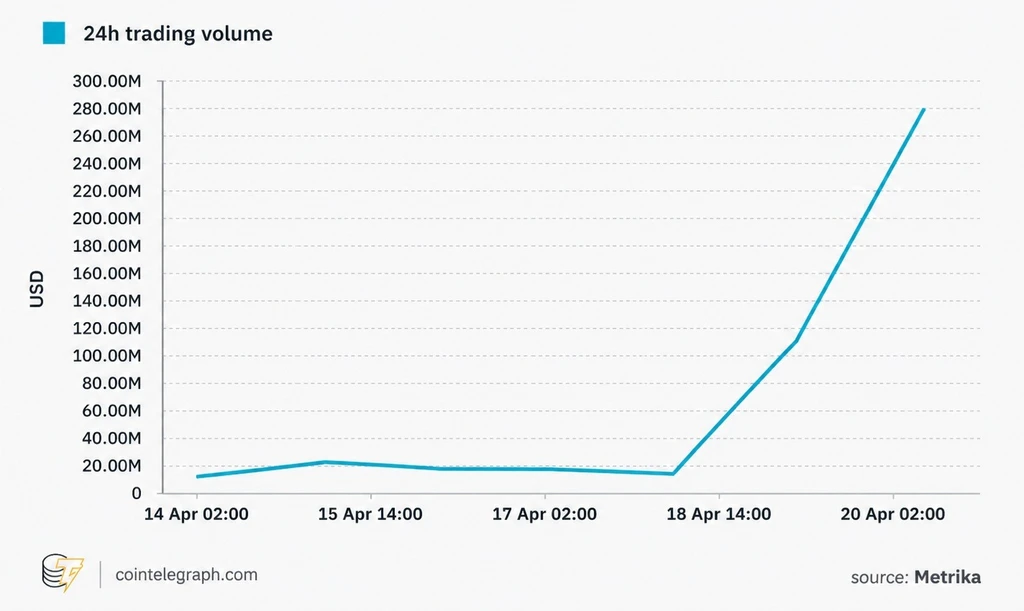
The incident tested Aave’s resilience without compromising its core smart contracts. Pressure stemmed entirely from external collateral concerns rather than internal failure. As trust in rsETH eroded, users rushed to reduce exposure, pushing utilization rates to 100% in major pools. Emergency risk parameters and freezes were activated to contain the damage and prevent a total breakdown.
Founder Stani Kulechov views the event as proof of DeFi maturity, noting that on-chain transparency allowed real-time inspection unlike opaque traditional systems. However, independent analysts urge caution. Survival does not equate to absolute safety. Critics highlight that concentration risk remains high, and favorable market conditions may have aided the protocol's stability during this specific stress test.
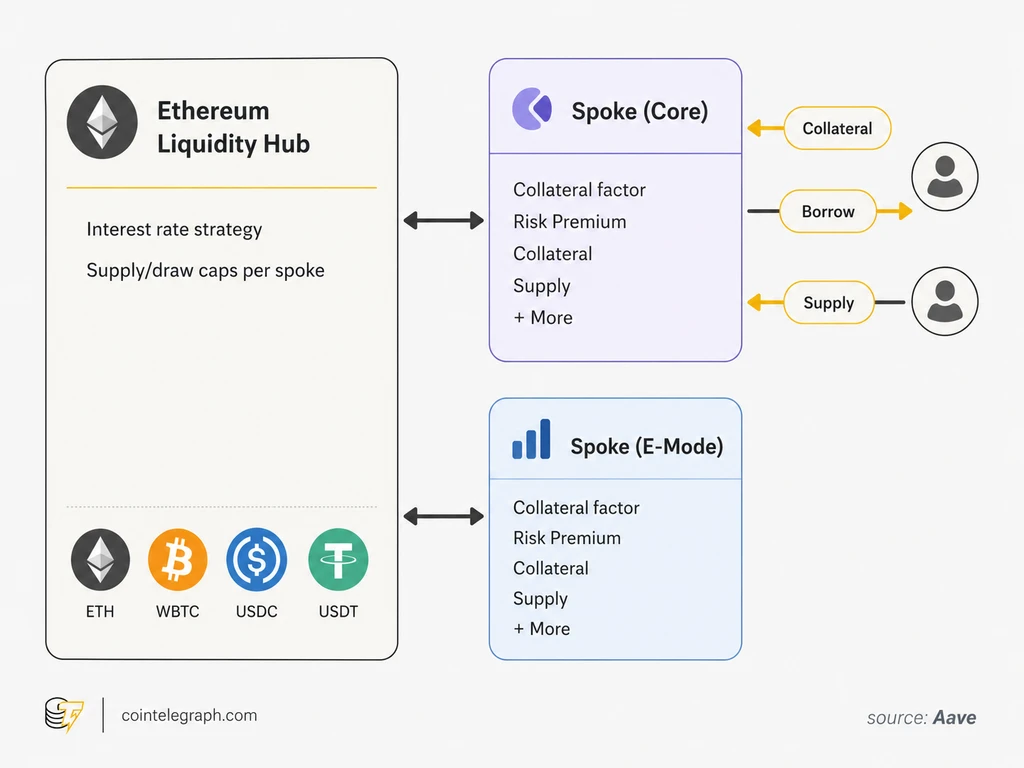
The episode underscores the double-edged nature of DeFi composability. Interconnected protocols drive efficiency but also create pathways for contagion. A problem in one bridge can instantly cascade through lending markets across the ecosystem. While Aave’s safeguards functioned as designed, governance response times and risk models require continuous evolution to address novel spillover threats.
For institutional investors and depositors, the takeaway is clear. Protocol size and reputation do not guarantee immunity from systemic shocks. True resilience must be validated through repeated performance across diverse crisis scenarios, not single events. As DeFi matures, distinguishing between temporary survival and structural safety remains the critical challenge for the sector.