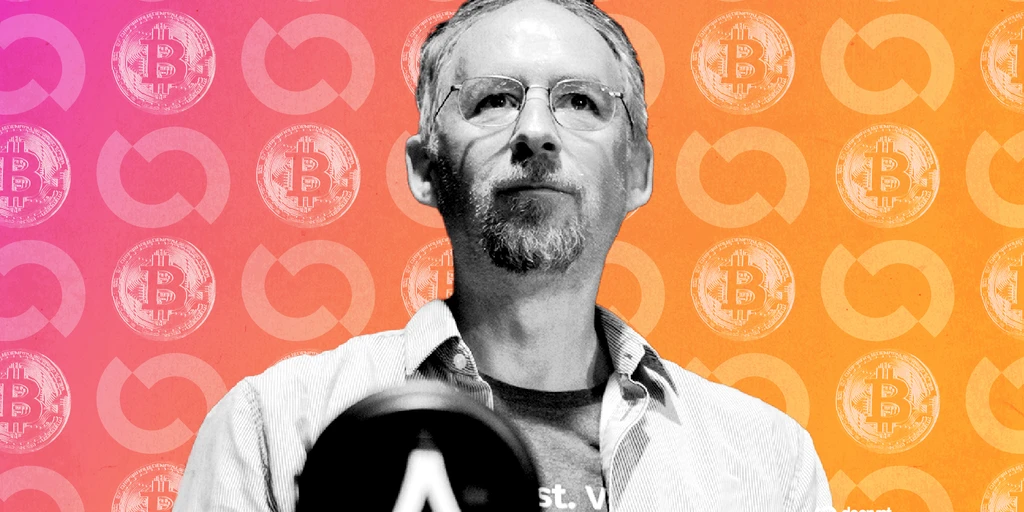
Blockstream CEO Adam Back has proposed optional quantum-resistant upgrades for Bitcoin, a stance that contrasts with a proposal for a mandatory coin freeze to counter the threat of quantum computing.
Back argued at Paris Blockchain Week that preparing for potential quantum threats in a controlled manner is significantly safer than a reactive crisis response. He pointed to Bitcoin's history of rapidly addressing critical bugs as evidence of its ability to focus attention and drive consensus when needed.
This approach differs from BIP-361, a proposal from several Bitcoin developers that outlines a five-year phase-out of quantum-vulnerable addresses. This plan, titled "Post Quantum Migration and Legacy Signature Sunset," would ultimately freeze any coins not migrated to new standards, potentially including holdings by Bitcoin's creator, Satoshi Nakamoto.
The debate intensifies as recent research from Google and Caltech indicates that quantum computers capable of breaking Bitcoin's current cryptography could emerge sooner than previously anticipated, potentially within years.
Google's research suggests that quantum computers might break elliptic curve cryptography with significantly fewer qubits than earlier estimates, reducing the number of physical qubits required to crack Bitcoin's encryption to fewer than 500,000. This vulnerability could affect an estimated 6.9 million BTC.
Other entities like BitMEX Research are exploring alternative mitigation strategies, including the creation of a "canary fund" for vulnerable coins, with a full freeze only enacted if funds are moved from that address.