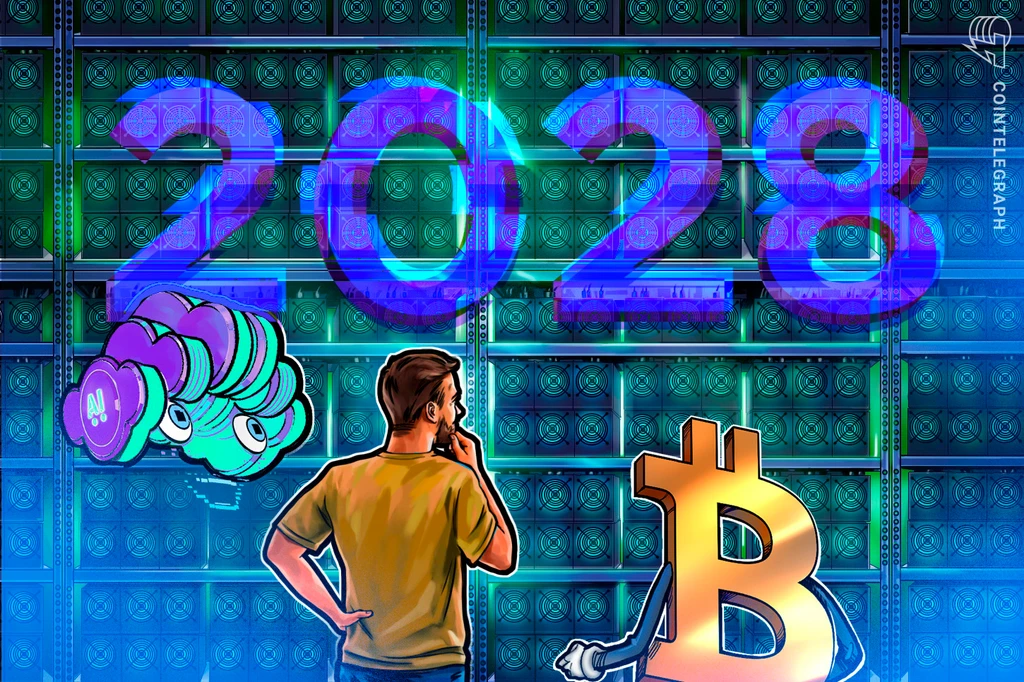
Bitcoin miners are preparing for a significantly more challenging road to the 2028 halving. Unlike previous cycles, the industry faces elevated costs, tighter energy markets, and clearer regulatory frameworks, demanding greater operational efficiency and strategic capital allocation.
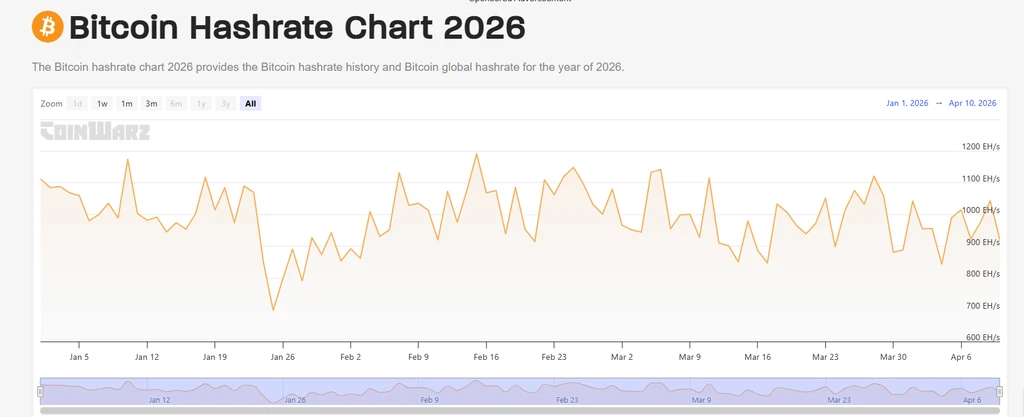
The 2028 halving will see miners receive half the reward compared to the 2024 event, at a time when hashrate is at record highs and energy prices are increasing. This necessitates a shift from being mere Bitcoin proxies to operating more like integrated energy and infrastructure companies. Miners are increasingly focused on securing long-term power agreements, upgrading hardware, and diversifying revenue streams beyond block rewards.
Major mining firms are already adjusting their balance sheets, with companies like MARA Holdings, Riot Platforms, Cango, and Bitdeer selling significant portions of their Bitcoin holdings to reduce debt and improve financial flexibility. This trend indicates a broader reset in how miners approach hardware, power procurement, and capital deployment, with a greater emphasis on capital discipline and return thresholds.
The business model is evolving beyond reliance on block subsidies. Forward-thinking operators are developing infrastructure capable of supporting multiple operations, such as AI workloads and grid services, in addition to Bitcoin mining. This diversification is seen as crucial for long-term viability.
Furthermore, evolving regulations in the US and Europe, including clarity on custody and institutional platforms, are reshaping investment strategies. Clearer rules are expected to accelerate capital flow into the sector, favoring miners that can demonstrate robust financial management, secure energy, and build diversified infrastructure. The market is increasingly re-rating miners that can lock in high-performance compute contracts and manage debt effectively.