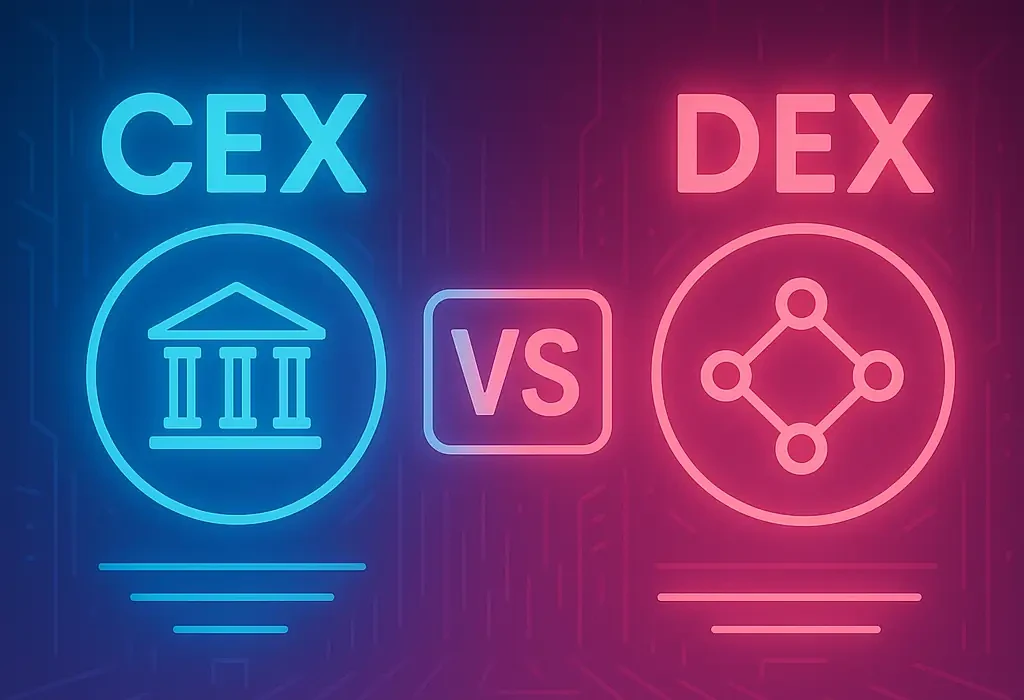
Cryptocurrency exchanges are divided: Centralized Exchanges (CEXs), managed by companies like Binance, and Decentralized Exchanges (DEXs), built on code for user autonomy. While serving the same purpose, their philosophies differ significantly. Recent data reveals DEXs are rapidly gaining traction, with their trading volume reaching a record 20% of CEX volume, according to Uniswap founder Hayden Adams. This signals a shift towards platforms prioritizing code and autonomy over centralized control.
CEXs offer a user-friendly experience akin to opening an online bank account. They handle verification, customer support, and can assist with forgotten passwords or accidental transfers. Platforms like Binance provide staking, NFT markets, and P2P trading, making them intuitive for beginners. CEXs also boast higher liquidity, ensuring stable prices and faster trades, minimizing slippage. They manage technical complexities like gas fees and seed phrases.
However, CEXs require users to relinquish control of their private keys, entrusting funds to the exchange. Historical failures like the Mt. Gox hack serve as stark reminders of the risks associated with centralized platforms, which remain prime targets for hackers. CEXs also impose various fees and can freeze withdrawals during crises.
DEXs, conversely, operate without registration or KYC. Users retain full control of their private keys and assets, offering enhanced privacy. Trading occurs via smart contracts and liquidity pools funded by users. While offering access to a broader DeFi ecosystem and early access to new tokens, DEXs present a steeper learning curve. Users must manage wallet setups, gas fees, and slippage. Mistakes, such as sending funds to incorrect contracts, are irreversible.
DEXs also face limitations in liquidity for large trades and generally lack fiat gateways or advanced trading features like margin trading. Despite these challenges, DEXs provide significant advantages in privacy and early market access, appealing to experienced traders and DeFi enthusiasts. The choice between CEX and DEX hinges on prioritizing ease of use and safety versus independence and control.