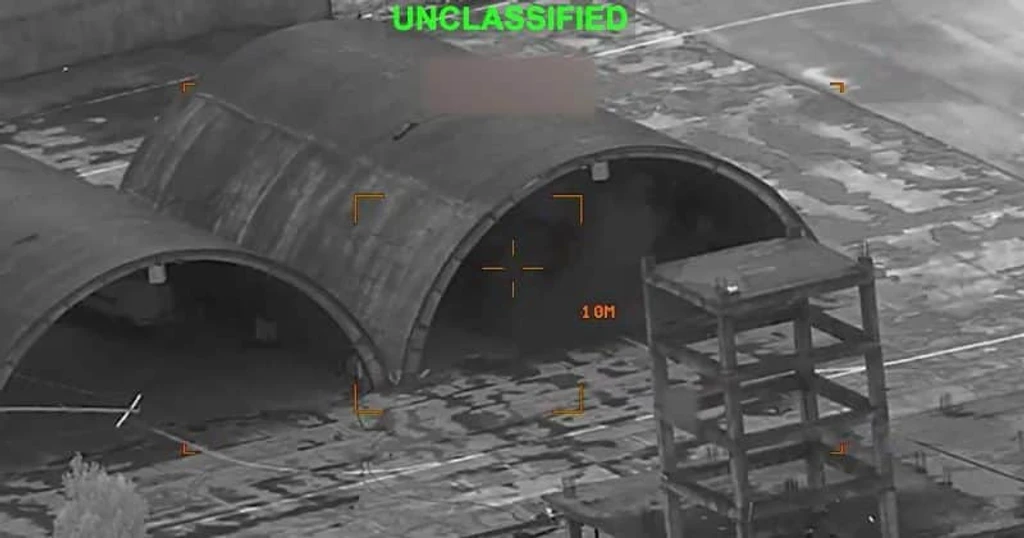
U.S. Central Command has conducted airstrikes against Iranian missile storage facilities, drone depots, and radar installations. The strikes occurred on June 9 and 10, 2026, during what was a fragile ceasefire. This action followed an Iranian drone attack on a cargo ship and the downing of a U.S. Army Apache helicopter near the Strait of Hormuz.
The Strait of Hormuz is a critical global shipping lane. Roughly 20% of the world's oil passes through it, causing commodity markets to react to any military activity.
Financial markets responded immediately. Bitcoin fell to the $61,000-$62,000 range, a roughly 2% decline. Ethereum followed. This is a typical risk-off move where speculative assets are sold first during geopolitical uncertainty.
Trading volume for oil perpetual contracts on Hyperliquid surged over 5%. Energy-linked tokens and gold-backed assets also saw increased activity. Traders rotated into instruments that hedge against rising oil prices.
Historical patterns show crypto markets react sharply to Iran-U.S. tensions but recover once stability returns. Commodity-linked assets are the near-term beneficiaries during such uncertainty.