Disagreements within a decentralized autonomous organization (DAO) are a positive indicator of its health and vitality, according to Dr. Michael Egorov, founder of the DeFi platform Curve Finance. DAOs, which use smart contracts and member voting to govern on-chain protocols, benefit from active debate.
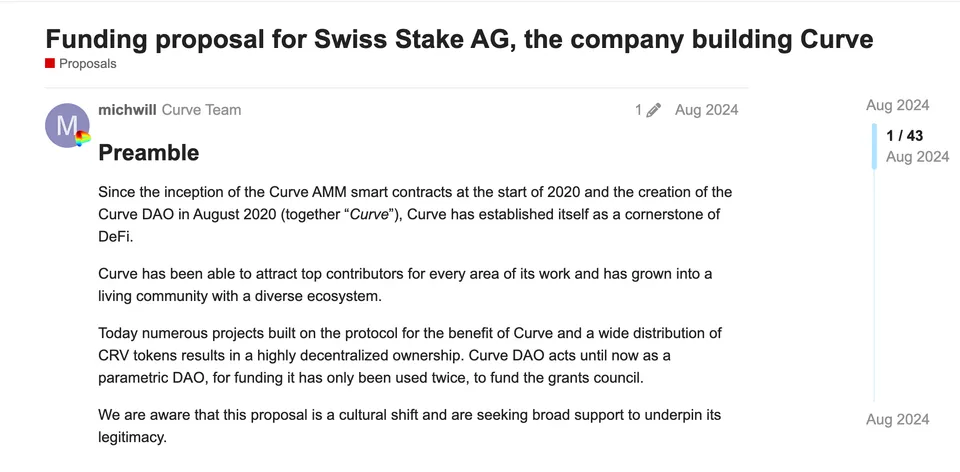
Egorov pointed to both a 2024 Curve DAO governance proposal and a recent dispute within the Aave DAO as examples of how disagreements foster engagement. He stated that a lack of contention can suggest apathy among members, leading to less participation. "If everyone automatically agrees on something, it feels like people just don't really care," Egorov explained.
He highlighted a 2024 Curve DAO proposal for a grant to Swiss Stake AG, the primary developer behind Curve Finance. This proposal faced significant pushback before being revised and resubmitted in December 2025, achieving over 80% turnout from DAO members. This contrasts with analyses showing typical DAO voter turnout rarely exceeding 15%.
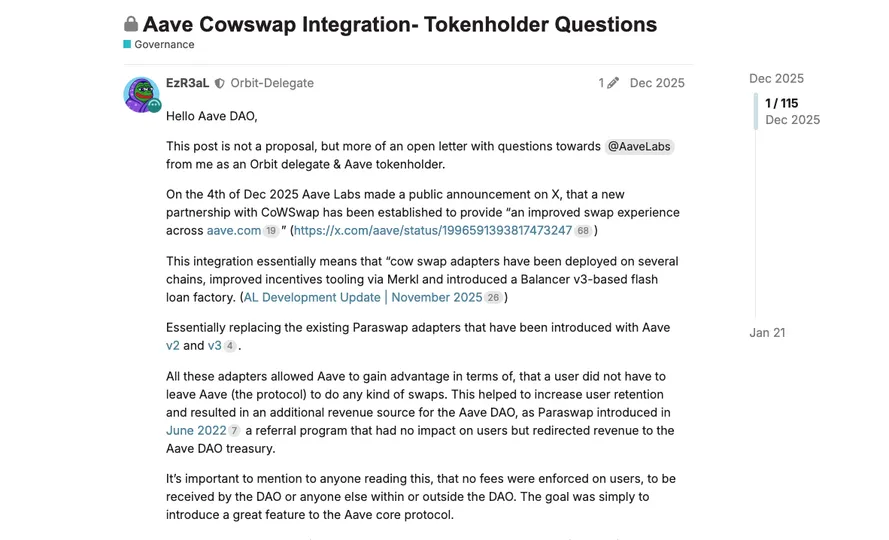
Furthermore, a December 2025 dispute within the Aave DAO over fees from an integration with CoW Swap underscored the challenges in on-chain governance and intellectual property rights. DAO members questioned fees directed to Aave Labs, sparking a debate about entity control. A subsequent proposal to place Aave brand assets under DAO control ultimately failed.
Egorov suggested that legal recognition for DAOs, enabling them to interact with traditional financial structures like business entities and bank accounts, could help mitigate such governance disputes. He believes DAOs are ideal for on-chain governance, with potential for off-chain applications, though centralized companies may be better suited for managing purely off-chain operations.