
Ethereum remains the dominant platform for stablecoins and decentralized finance (DeFi) capital, outshining newer, faster blockchains. Experts suggest institutions prioritize capital depth over raw speed.
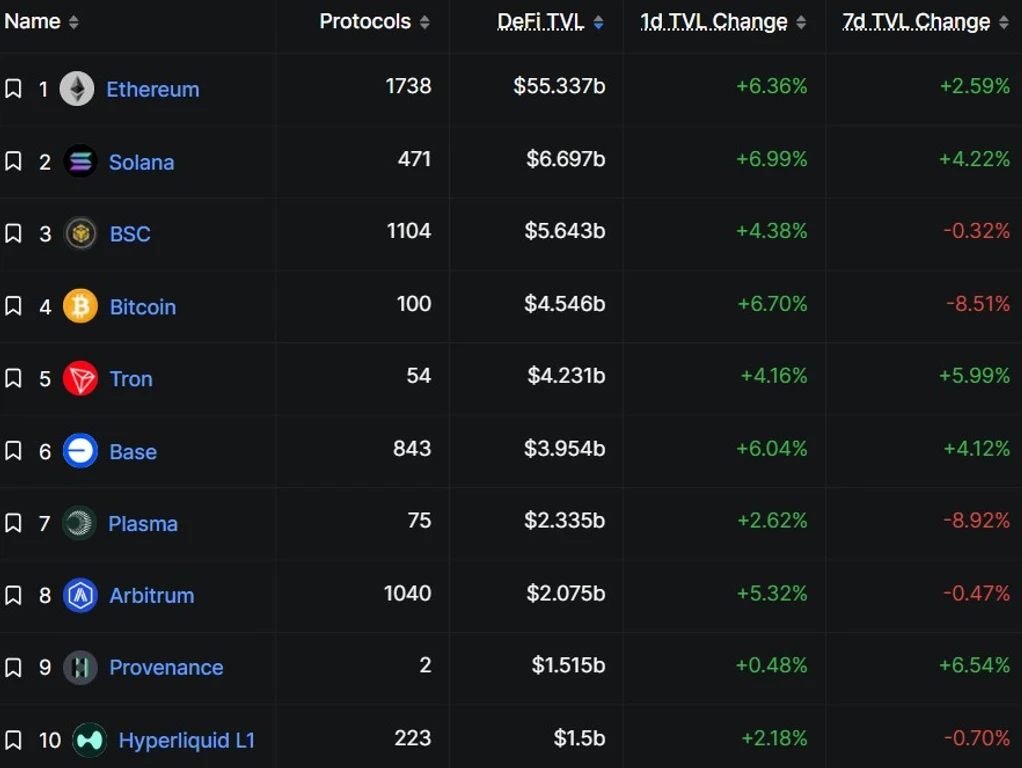
"The capital is on Ethereum; the stablecoins are there. TradFi is looking at where the liquidity is," stated Kevin Lepsoe, founder of ETHGas. Institutional capital brings significant scale and stability, deepening liquidity and anchoring stablecoin supply, which is crucial for large asset managers and tokenized fund issuers.
While blockchains like Solana have emerged as high-speed alternatives, attracting retail traders during NFT and memecoin booms, their user activity has not sustained long-term. Ethereum's deep liquidity offers tighter spreads, lower slippage for large trades, and the capacity to absorb significant transactions without major price distortions. Lepsoe likens Ethereum to "downtown" for financial activity, offering the deepest liquidity.
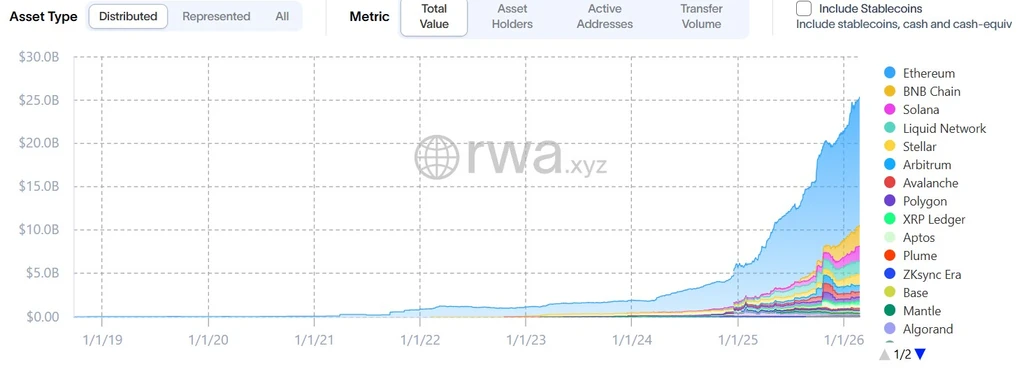
Institutions are showing interest in practical use cases like stablecoins and real-world assets (RWAs). BlackRock's tokenized Treasury fund, BUIDL, started on Ethereum, with a significant portion of its market capitalization held on the network. Ethereum also leads in stablecoin market capitalization, with $160.4 billion, serving as a bridge between traditional finance and digital liquidity.
Ethereum is also enhancing its own efficiency. Layer-2 rollups have eased pressure on the main chain, and while they initially fragmented liquidity, this may have prevented capital from migrating to competing L1s. Future upgrades, like the Glamsterdam fork, aim to increase the block gas limit, boosting Ethereum's transaction processing capabilities.

Despite interest in other networks offering privacy or speed, experts believe Ethereum's established liquidity pool remains its most significant advantage for institutional capital. Performance upgrades will expand its capacity, but capital depth is the defining draw.