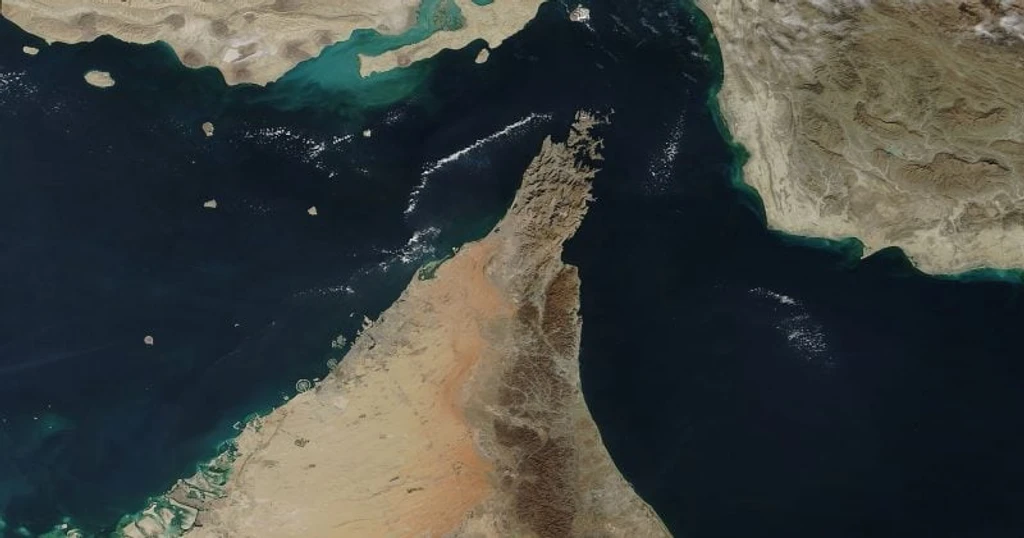
The Islamic Revolutionary Guard Corps Navy has shut down the Strait of Hormuz. The action followed a warning shot fired at a commercial vessel for allegedly ignoring prescribed shipping routes. This narrow waterway typically carries 20 to 25 percent of the world's oil supply.
The closure adds massive pressure to global energy markets. Brent crude prices had already surged to $126 per barrel earlier this year during previous disruptions. A sustained blockade now threatens to push prices significantly higher.
The situation has a critical digital finance dimension. Since March, Iran has accepted Bitcoin and stablecoin payments for transit tolls through a platform called Hormuz Safe. Fees can reach up to $2 million per vessel, generating sanctions-evading revenue.
This creates a direct link between a major geopolitical flashpoint and cryptocurrency markets. The tolls generate genuine buy pressure for Bitcoin and stablecoins like USDT and USDC. It also creates a potential target for sanctions enforcement.
Investors are now watching two markets closely. The direction of oil futures will signal the severity of the supply shock. Bitcoin's performance alongside oil will test whether crypto acts as a hedge or a correlated risk asset.