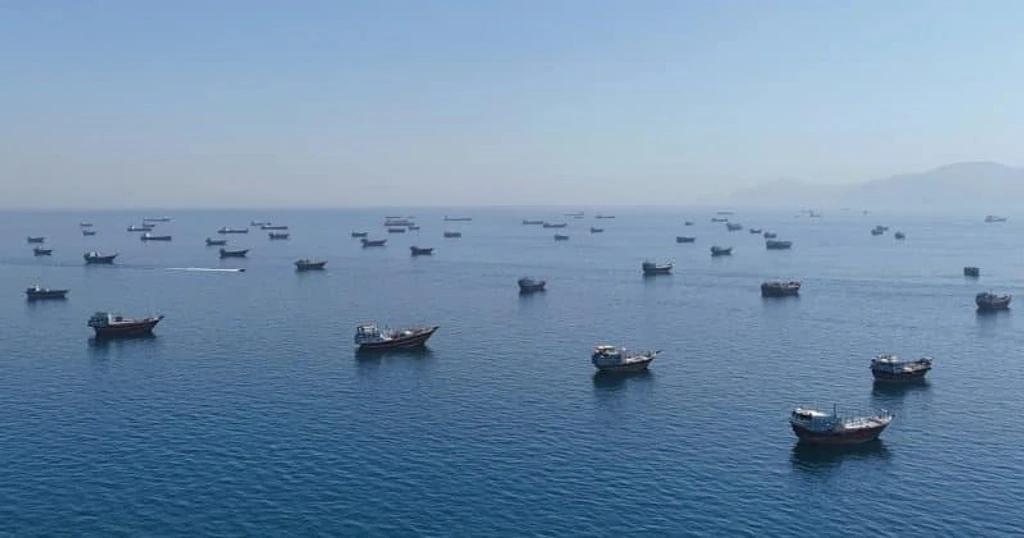
US Central Command forces successfully intercepted and destroyed four Iranian one-way attack drones targeting commercial vessels in the Strait of Hormuz on June 5. No ships were damaged in the incident, which marks a significant escalation in ongoing regional hostilities.
The Strait serves as a critical global energy chokepoint, handling approximately one-fifth of the world’s daily oil supply. While US naval forces maintain protective oversight, the threat to commercial shipping remains active.
In a novel strategic move, Iran has implemented a toll system for vessels transiting the waterway. Fees range from $0.50 to $1 per barrel of oil, potentially costing large crude carriers up to $2 million per trip. Crucially, Tehran is demanding payment in cryptocurrency, including Bitcoin and stablecoins, to bypass international banking sanctions.
This development introduces complex implications for global markets. Historical data shows that regional escalations often trigger risk-off behavior, leading to sharp declines in speculative assets like crypto. Previous tensions caused Bitcoin to drop below $73,000 amid nearly $1 billion in leveraged liquidations.
Furthermore, state-level adoption of digital assets for sanctions evasion is likely to invite stricter regulatory scrutiny from Western governments. Exchanges and wallet providers may face tightened compliance requirements as authorities seek to block these revenue streams.