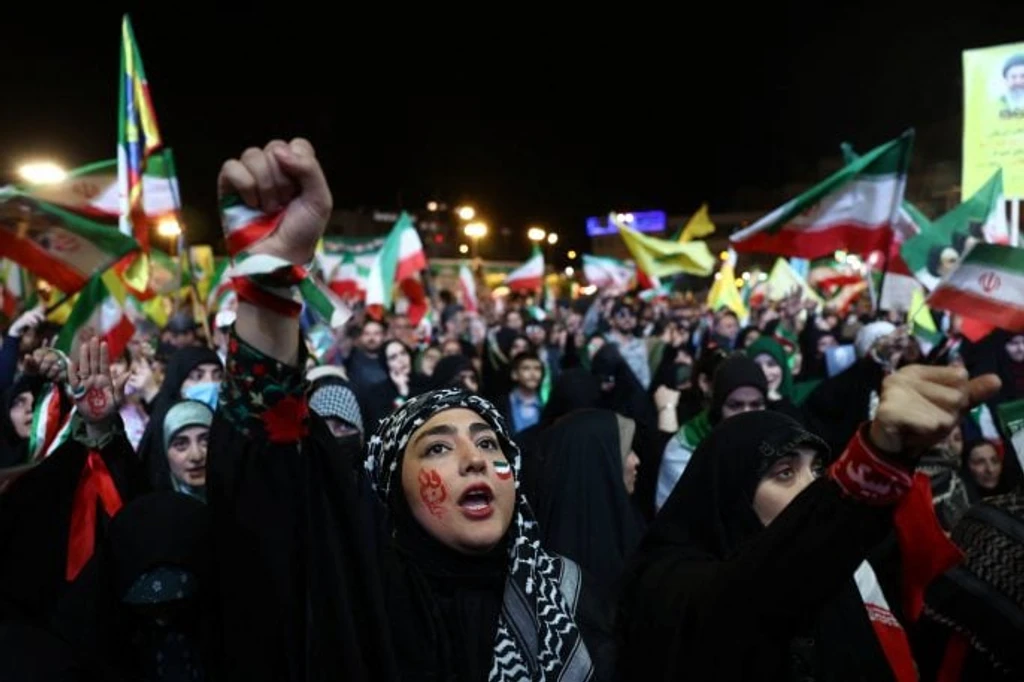
Iran has presented a proposal to the United States aimed at ending hostilities and lifting economic sanctions, according to a Reuters report. The offer, dated May 10, 2026, includes a 30-day ceasefire and sanctions relief on oil sales, among other terms.
The proposal seeks to end blockades in the Strait of Hormuz, resolve nuclear enrichment disputes, and unfreeze Iranian assets. The Strait of Hormuz is critical because roughly one-fifth of the world's oil passes through it. Disruptions there have historically led to oil price spikes, affecting all asset classes, including cryptocurrencies.
Oil price surges from blockade-related tensions have already delayed Federal Reserve rate cuts, negatively impacting crypto markets. Market odds for a ceasefire by June 30, 2026, stand at just 13.5%, with nuclear negotiations stalled and the probability of a successful deal under 10%.
Iran's crypto sector, valued at $7.8 billion, is deeply intertwined with Bitcoin mining as a tool to bypass sanctions. The Islamic Revolutionary Guard Corps controls approximately 50% of the domestic crypto ecosystem. If sanctions are lifted, projections suggest Bitcoin could rise 10-15% due to market confidence and integration of Iranian crypto assets.
However, if negotiations progress, scrutiny over crypto payments to Iran may increase before relaxing. US regulators are tightening focus on crypto-enabled sanctions evasion. Energy-linked tokens could also see volatility, benefiting from oil price swings during Strait disruptions but stabilizing if the deal succeeds.
For investors, the low probability of a near-term ceasefire suggests caution. If talks gain traction, expect bullish outcomes for Bitcoin and risk assets. Collapse would spur short-term volatility with rising oil and delayed rate cuts.