
MoneyGram has launched MGUSD, a US dollar stablecoin on the Stellar network, marking a deeper move into blockchain-based cross-border payments.
The company announced on Tuesday that MGUSD will be integrated into the MoneyGram app through a self-custodial wallet. Users can hold dollar-denominated balances, move funds globally, and convert into local currencies. The stablecoin is initially available in the US market, with plans to expand worldwide.
MGUSD is issued by Bridge, Stripe’s stablecoin platform, which received conditional approval from the US Office of the Comptroller of the Currency to operate as a federally chartered national trust bank in February. The token’s infrastructure includes mint-and-burn smart contracts from M0 and wallet services from Fireblocks.
This launch represents a significant shift in the remittance industry, moving from backend settlement and payout partnerships to app-based digital-dollar balances for consumers. MoneyGram stated that MGUSD builds on its long-running partnership with the Stellar Development Foundation.
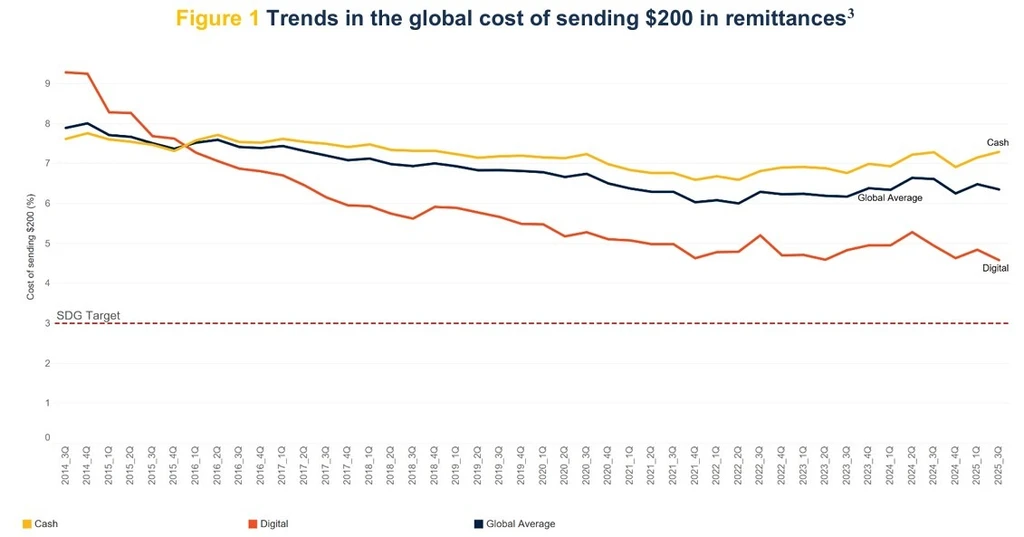
The move comes as remittance costs remain high. A World Bank report from Q3 2025 showed that sending $200 across borders cost an average of 6.36%, with fees and foreign-exchange margins consuming about $12.72 per transfer-more than double the UN’s 3% target.
Stablecoin transfers can dramatically reduce blockchain settlement costs. Stellar’s network minimum fee is just 100 stroops, or about $0.000002 per operation.
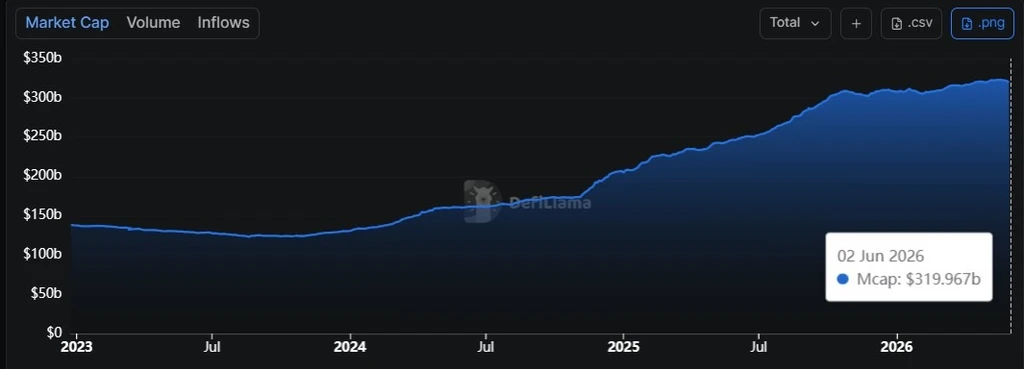
The stablecoin market has grown to roughly $320 billion, according to DefiLlama, with Citi forecasting issuance could reach $1.9 trillion by 2030.
MoneyGram’s stablecoin push follows partnerships with Kraken to enable crypto-to-cash withdrawals across 100 countries, and with Stripe-incubated blockchain Tempo to support stablecoin settlement. Rival Western Union also launched its own US dollar stablecoin, USDPT, on Solana in early May.