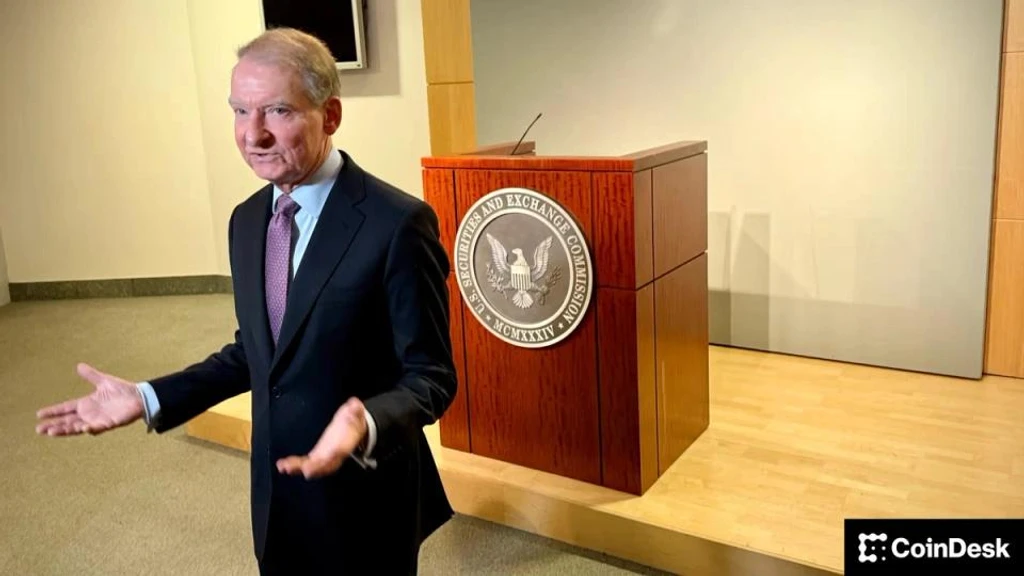
The U.S. Securities and Exchange Commission is preparing to launch an "innovation exemption" designed to facilitate the trading of tokenized securities. Chairman Paul Atkins confirmed the agency will utilize its existing exemptive authority rather than pursuing formal, long-term rulemaking. This strategic pivot aims to provide a testing ground for blockchain-based financial innovations while acknowledging the current legal framework's limitations.
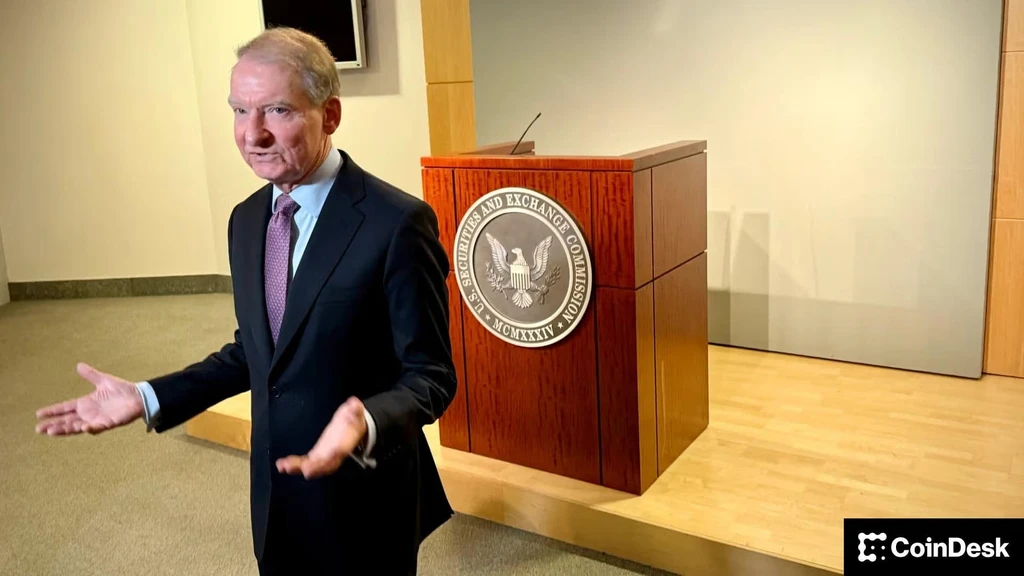
Unlike formal regulations, which require 12 to 18 months of public comment and revision, this exemption offers immediate regulatory leeway. Commissioner Hester Peirce noted that the SEC routinely exercises such authority. Atkins described the policy as limited in time and scope, intended to gather data for a more durable, future-proofed regulatory structure.
Legal experts suggest this interim approach may prove resilient. Charles Riely of Jenner & Block argues that once economic value is created through these new products, reversing the policy becomes politically and practically difficult, even under a future administration with differing views. Thoreau Bartmann of K&L Gates added that exemptions are strategically sound given the lack of explicit statutory authority for crypto topics in current law.
The exemption addresses critical operational details, including how third-party tokens interact with underlying securities, secondary sales identification, and shareholder rights like voting and dividends. Advocates believe this clarity will encourage institutional investors to enter the space, potentially unlocking trillions in asset value. However, Atkins has publicly stated that only Congress can provide the permanence required for full market adoption.