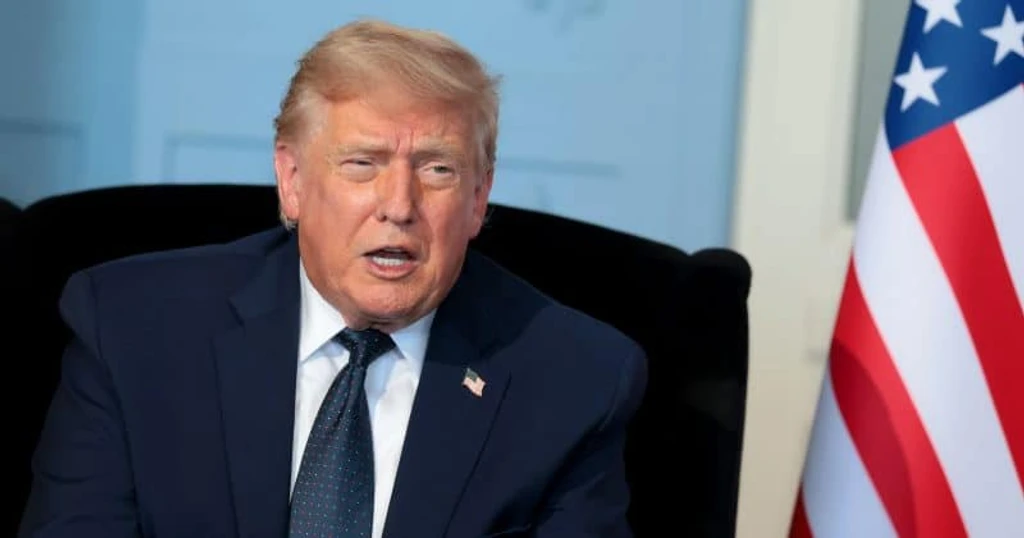
President Donald Trump has characterized a newly signed memorandum of understanding with Iran as an unconditional surrender by Tehran. In a June 18 interview, the president also asserted he holds unlimited executive power regarding the agreement.
This diplomatic accord effectively ends the US-Iran conflict that began in March 2026 over a blockade of the Strait of Hormuz. That waterway remains critical for global energy security, transporting approximately twenty percent of the world's daily oil supply.
Bipartisan critics have raised concerns about undisclosed provisions, including speculation regarding potential financial assistance to Iran. President Trump dismissed reports suggesting the US owes Tehran three hundred billion dollars as false. The final memorandum differs significantly from initial administration demands for outright regime change.
Financial markets reacted immediately to the geopolitical resolution. Total cryptocurrency market capitalization increased by approximately sixty billion dollars, with Bitcoin leading the rally. This surge follows April enforcement actions where the administration froze three hundred forty-four million dollars in Iranian-linked digital assets during the standoff.
The fate of those seized funds remains uncertain. Future regulatory frameworks will depend on how Washington handles state-level sanctions evasion through digital currencies. Market behavior confirms cryptocurrencies currently function as risk assets rather than uncorrelated hedges against geopolitical instability.