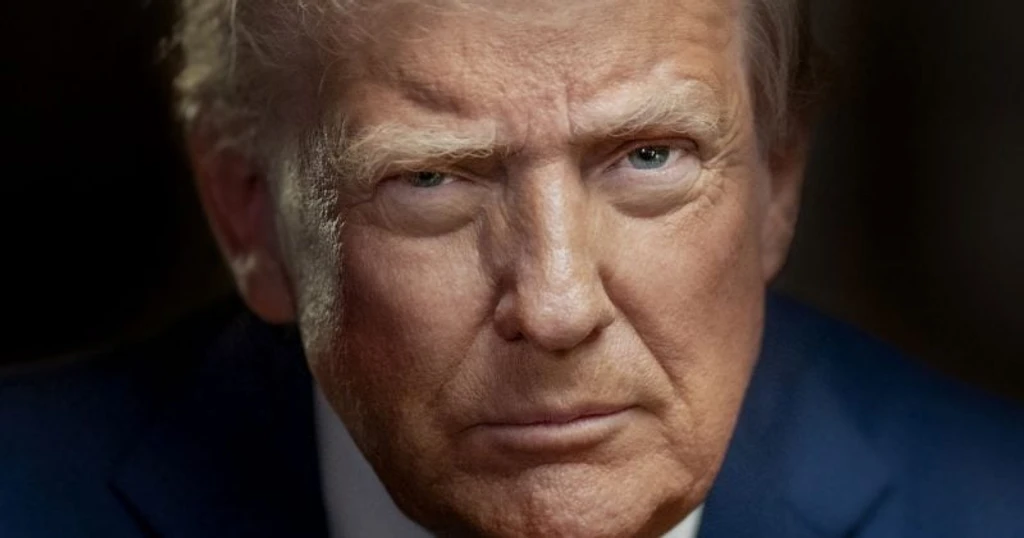
President Donald Trump has proposed a memorandum of understanding with Iran to extend the current ceasefire for 60 days. If finalized, the agreement establishes a negotiation window to address nuclear enrichment, military operations, and sanctions relief. Formal signing is scheduled for June 19, 2026, with Vice President JD Vance expected to participate.
The 14-point framework prioritizes the termination of hostilities and a timeline for diplomatic talks. Crucially, it includes an Iranian commitment to a moratorium on nuclear enrichment and the management of existing stockpiles. The document also mandates the reopening of the Strait of Hormuz for unrestricted, toll-free shipping. Approximately one-fifth of global oil supply transits this waterway, making its status a primary driver of energy markets.
US officials describe this memorandum as a foundation for a comprehensive future agreement rather than a final settlement. The 60-day period remains subject to extension by mutual consent. Iranian media has reportedly responded positively to the framework, signaling potential progress on sanctions relief mechanisms that impact global banking and trade flows.
Financial markets reacted immediately to the announcement. Oil prices declined on prospects of stabilized transit, while Bitcoin, Ether, and Solana saw profit-taking as traders adjusted positions. Lower energy costs resulting from the deal could also reduce mining expenses for proof-of-work assets, potentially improving margins for Bitcoin miners during the negotiation phase.