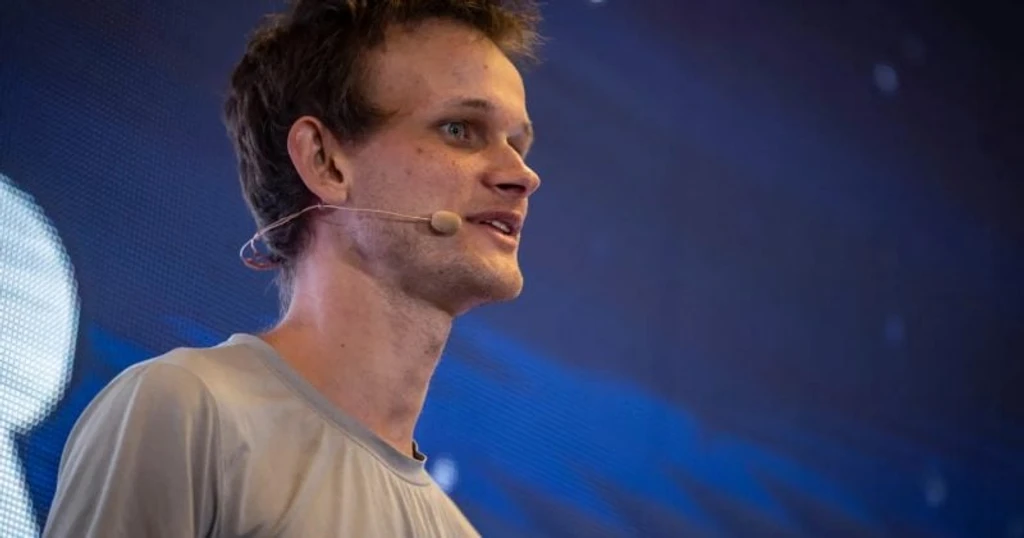
Vitalik Buterin has a message for the Ethereum community: don’t become OpenAI.
In his keynote address at EthCC 2025 on July 2 in Cannes, France, Ethereum’s co-founder delivered a pointed warning about the dangers of centralization slowly infecting the crypto ecosystem. The speech, held at the Palais des Festivals, laid out a vision for Ethereum that prioritizes meaningful decentralization, user sovereignty, and resilience over growth-at-all-costs thinking.
The comparison to OpenAI wasn’t subtle. A company that started as an open, nonprofit research lab has transformed into one of the most powerful and increasingly closed AI corporations on the planet. Buterin sees that trajectory as a cautionary tale, not a playbook.
Buterin flagged specific risks inside the Ethereum ecosystem: upgradeable Layer-2 solutions that can be instantly modified, server-side decentralized applications that rely on centralized server infrastructure, and token-vote governance auctions where power goes to the highest bidder.
His litmus test: would users still have access to their assets if the company behind the project disappeared tomorrow? If the answer is no, the project isn’t truly decentralized.
Buterin was equally direct about privacy and censorship resistance, saying these must be baked into the foundation, not added as afterthoughts.
“We don’t want just to succeed. We want to be worthy of succeeding.”
The timing matters. Ethereum is navigating surging institutional interest and an intensifying Layer-2 scaling debate, raising questions about whether the system is getting more decentralized or just distributing centralization across more entities.