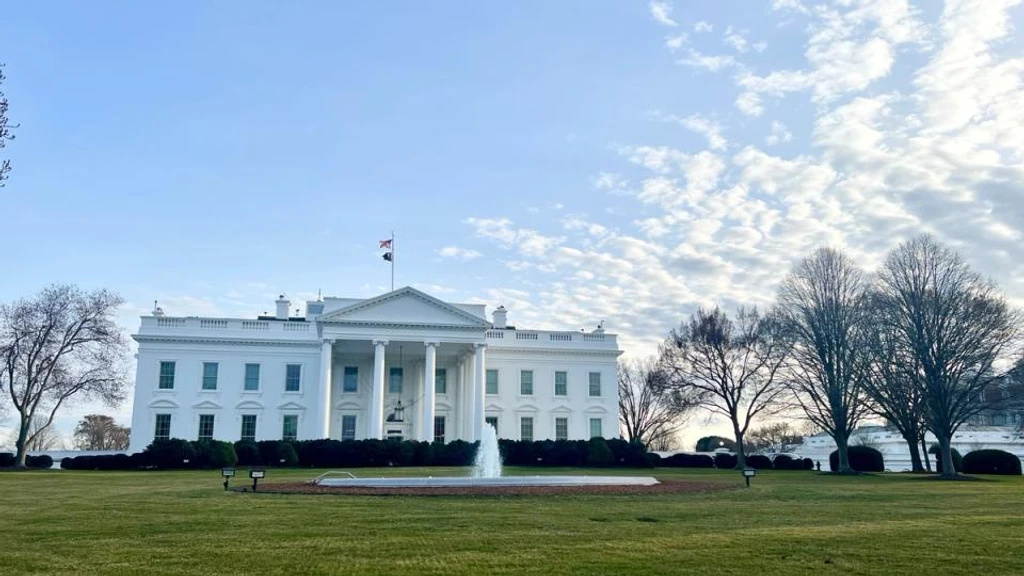
The White House is set to provide an update on the long-awaited U.S. Strategic Bitcoin Reserve (SBR) "in the next few weeks," according to Patrick Witt, executive director of the President's Council of Advisors for Digital Assets.
Speaking at CoinDesk's Consensus Miami conference on Wednesday, Witt said the federal effort to inventory, centralize, and secure U.S.-held bitcoin and other digital assets has been running for months. Following President Trump's executive order, the administration halted what Witt called "fire sale" liquidations under the previous administration and began auditing crypto holdings across agencies.
Witt highlighted a recent exploit involving assets held by the U.S. Marshals Service as a motivation for centralization. On-chain investigator ZachXBT claimed a hacker stole more than $60 million in late 2025, including funds from government seizure wallets. Witt called this a "case in point" for why the SBR is necessary.
He declined to disclose the current amount of bitcoin or other crypto held by the federal government, citing the priority of proper custody before details are shared. The upcoming announcement will address open questions on size and structure, though Witt cautioned he didn't want to "front run any of the other principals involved."
Witt also clarified the reserve won't automatically absorb every newly seized asset. Crypto in active legal proceedings remains in pending status until forfeiture is finalized, with assets potentially returned to victims through restitution.
On the legal front, much of the work has gone into questions about which authorities allow agencies to hold assets and for how long. Codification will need to follow through Congress, Witt said, citing Sen. Cynthia Lummis's BITCOIN Act and Rep. Nick Begich's American Reserves Modernization Act. "It always needs to be followed up with proper legislation," he added.
![Patrick Witt, executive director of the President's Council of Advisors for Digital Assets (Consensus Miami 2026)]
The likely need for a legislative underpinning has been a major constraint. It remains unclear when Congress will pass a reserve bill.