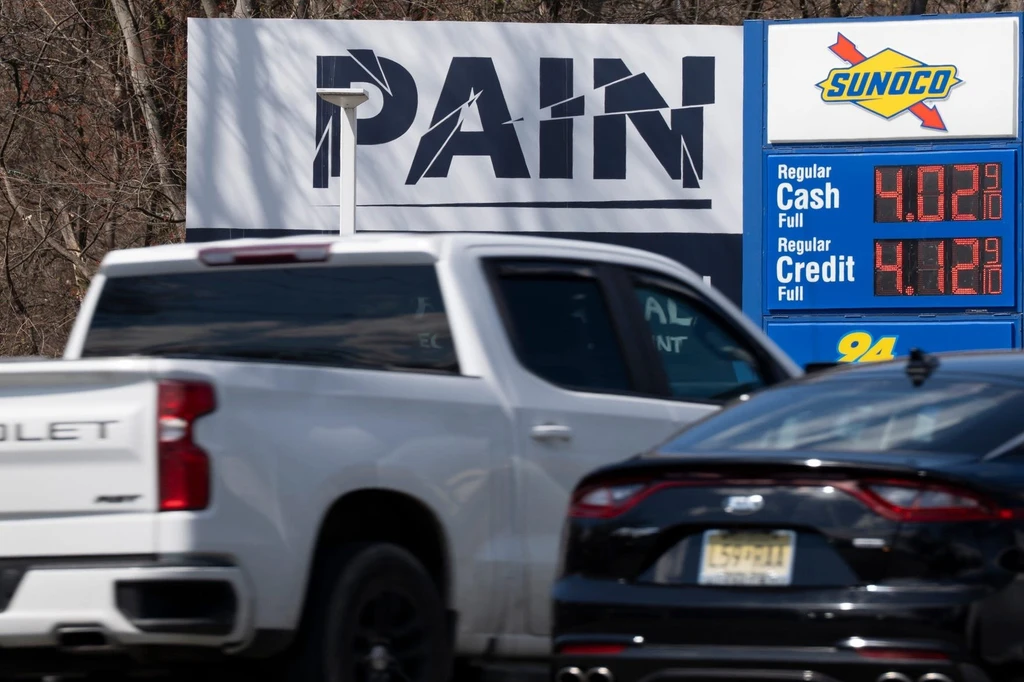
Despite being the world's top oil producer and importing only 8% of its oil from the Middle East, the United States has seen gasoline prices skyrocket. Average prices hit $4.18 a gallon on April 28, a level not seen since early 2022.
While President Trump asserted that U.S. oil imports through the Strait of Hormuz are negligible, geopolitical events significantly impact global oil markets. Experts like Mark Zandi, chief economist at Moody's Analytics, explain that oil is a fungible commodity. "It's a global market," Zandi stated, "So, oil literally flows to the highest price."
When conflict erupted involving Iran, global oil prices surged. The West Texas Intermediate index saw crude prices climb from approximately $67 to $105 in March. This increase stemmed from supply disruptions, shipping dangers, and damage to infrastructure near the Strait of Hormuz. As James Cox of Harris Financial Group noted, "Everybody's competing for the same barrel of oil."
Even though the U.S. produces and consumes vast amounts of oil, its producers participate in the global market, selling to the highest bidder. The West Coast, in particular, is more sensitive to Middle Eastern supply shocks due to a higher import proportion from that region.
Unlike the 1970s oil crisis, the recent events did not lead to widespread shortages or rationing in the U.S. Instead, consumers faced higher prices, while petroleum companies saw increased revenues. Some nations more reliant on Middle Eastern oil implemented measures like rationing and reduced energy consumption.
Regarding future prices, even with a ceasefire, oil and gasoline costs are expected to remain elevated for months. Cox predicts that increased insurance costs for shipping and the ongoing risk premium will keep futures high. Gordon highlighted that damaged infrastructure in the Middle East could take years to repair, constricting global supply. Zandi concluded, "There’s no going back to what we had. At least not this year."