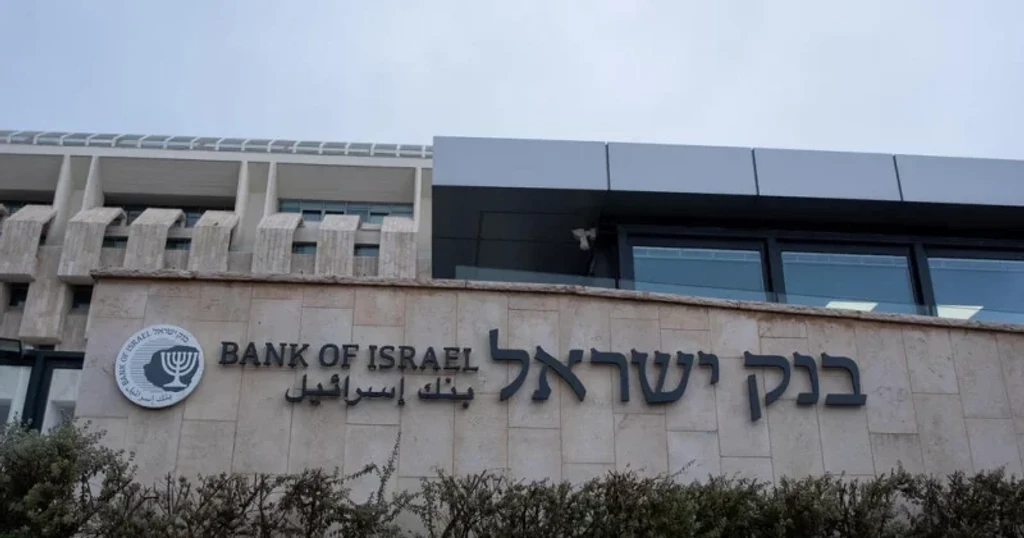
The Bank of Israel purchased $801 million in foreign currency during May, its first direct intervention in the foreign exchange market since 2022. The move was designed to curb the shekel's rapid appreciation, which had reached a 33-year high against the US dollar.
The central bank's total foreign exchange reserves climbed to a record $238.681 billion by the end of May. The monthly increase of $2.953 billion included the $801 million in direct purchases and $2.685 billion in revaluation gains.
The Bank of Israel described the action as targeted market intervention, not an attempt to fix a specific exchange rate. The purchases aim to protect Israel's export-driven economy, particularly the technology sector, which generates most of its revenue in foreign currencies while paying local costs in shekels.
A strong shekel erodes the value of dollar-denominated revenues for Israeli tech companies, making it harder to cover operational costs. The intervention signals the central bank's willingness to act when currency strength threatens economic stability.
For investors, the $801 million purchase serves as a warning that the Bank of Israel has a threshold for shekel strength. A weaker shekel could boost export earnings but may also reduce the disinflationary benefits of a strong currency, potentially complicating future monetary policy.