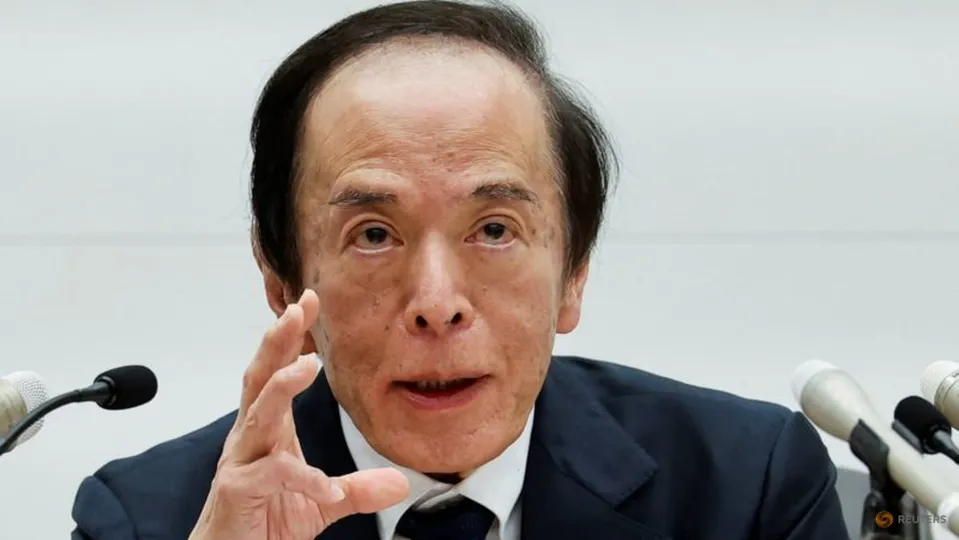
Bank of Japan Governor Kazuo Ueda has signaled that the central bank will scrutinize economic data at its March and April policy meetings to determine the possibility of raising interest rates. This leaves open the chance for a near-term rate hike.
Ueda stated in a Yomiuri newspaper interview that the BOJ will continue to raise interest rates if Japan makes progress toward its economic and price projections. The bank currently forecasts underlying inflation to reach its 2 percent target between late fiscal 2026 and fiscal 2027. However, stronger-than-expected wage negotiations this spring could accelerate this timeline.
"We will hold a policy meeting in March and April, so we would like to reach a decision by scrutinising data available by then," Ueda commented when asked about market expectations for an April rate increase. He also noted that the BOJ does not necessarily need to wait for its quarterly Tankan business sentiment survey to make such a decision, as other surveys provide relevant insights.
These remarks underscore the BOJ's preparedness to adjust rates and its aim to counter yen weakness, which increases import costs and fuels inflation. The central bank's next policy meeting is scheduled for March 18-19, followed by another on April 27-28, where updated growth and inflation forecasts will be released.
While markets had previously considered an April hike a strong possibility, sentiment has shifted following reports of Prime Minister Sanae Takaichi expressing reservations about further rate increases. The nomination of academics favoring economic stimulus to the central bank's board has also clouded the outlook for additional hikes.
Ueda asserted that the BOJ is not behind the curve in addressing inflation risks, emphasizing that underlying inflation has not yet consistently hit the 2 percent target. He added that the impact of the December rate hike will be assessed by its effect on lending, corporate investment, and consumption through borrowing costs.
The Bank of Japan concluded its decade-long massive stimulus program in 2024 and has implemented several rate increases, including a December hike that brought its short-term policy rate to a 30-year high of 0.75 percent.