
Coinbase's revenue from stablecoins, primarily tied to its USDC share with Circle, is projected to grow substantially. Bloomberg Intelligence estimates this revenue, already representing a significant portion of Coinbase's income, could increase two to seven times if USDC adoption in payments accelerates.
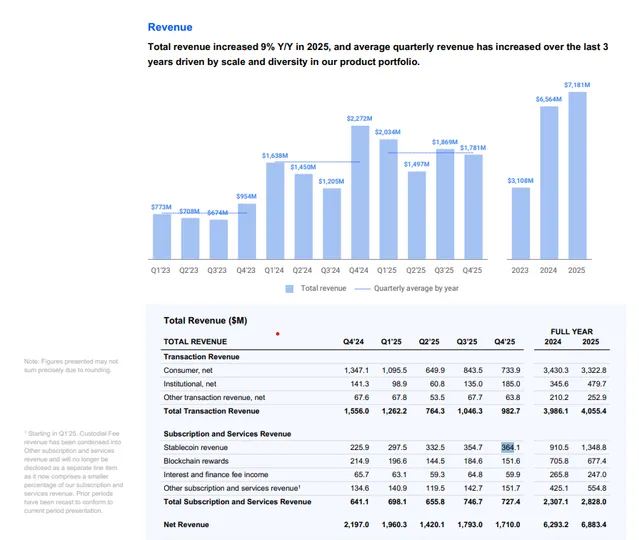
Despite reporting a net loss in the fourth quarter of 2025, Coinbase generated approximately $1.35 billion in stablecoin revenue last year. This figure saw an increase from the previous year, with interest income on USDC balances proving to be a high-margin revenue stream for the exchange, outperforming volatile trading fees.
Stablecoin transaction volumes have reached record highs, with USDC leading in transaction value ahead of Tether. This widespread adoption underscores the growing importance of stablecoins in the financial landscape.
The increasing significance of stablecoin yield has ignited political debate. The GENIUS Act, enacted in July 2025, established a federal framework for payment stablecoins but prohibits issuers from paying interest on holdings. This provision, supported by the banking lobby, aims to prevent stablecoins from drawing deposits away from traditional financial systems.
Efforts are underway in the Senate to further restrict yield-bearing stablecoins, with proposed legislation seeking to close loopholes that could allow affiliates, like exchanges, to offer rewards tied to stablecoin balances. This potential ban on rewards could impact Coinbase's business model, which relies on a share of interest income from USDC reserves.
Coinbase has previously withdrawn support for similar legislation due to concerns over provisions restricting its ability to offer stablecoin rewards. While a ban on user rewards might increase Coinbase's retained revenue share from Circle, it would mean users lose out on potential yield.
The CLARITY Act, currently progressing through the Senate, addresses the split of regulatory authority between the CFTC and SEC, alongside stricter language on third-party stablecoin yield. Analysts anticipate this legislation could be finalized soon, potentially shaping the future of stablecoin revenue for companies like Coinbase.