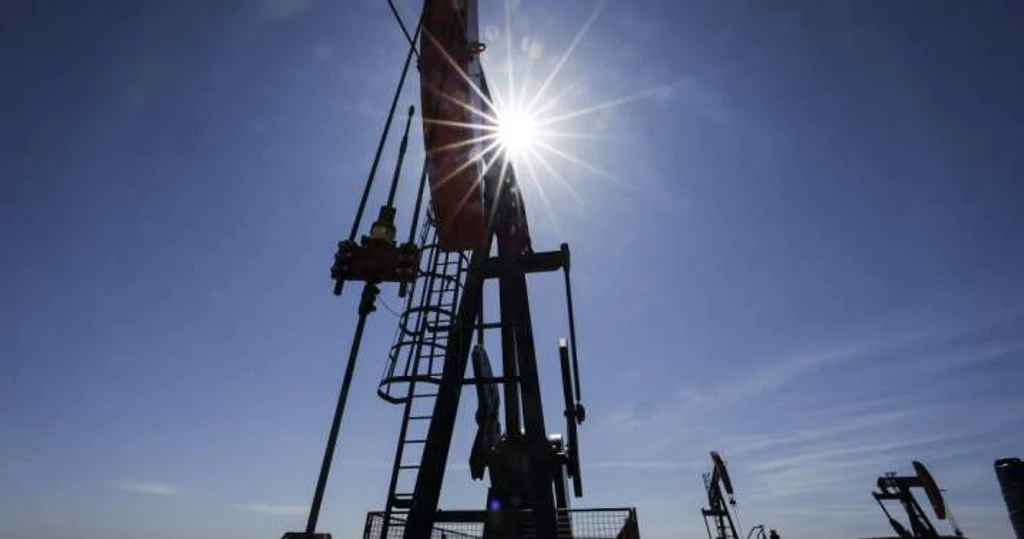
Canada's energy sector is poised to potentially offset global oil and gas supply disruptions stemming from the Iran conflict. However, experts highlight significant infrastructure and logistics hurdles that could limit the country's ability to meet a sudden surge in demand.
Opher Baron, a professor at the Rotman School of Management, states, "We [Canada] have the resources, we can produce more oil and gas... but our ability to deliver it to the right markets is limited." The conflict has led to the closure of the vital Strait of Hormuz, a chokepoint for approximately 20 percent of the world's oil supply.
While the U.S. leads global oil production, Canada ranks fourth. The current geopolitical climate suggests this position could strengthen, impacting global oil prices which have already risen significantly. "Both the United States and Canada are net exporters of oil and gas, meaning that they stand to gain economically if [oil] prices remain elevated for a prolonged period," notes Karl Schamotta, chief market strategist at Corpay.
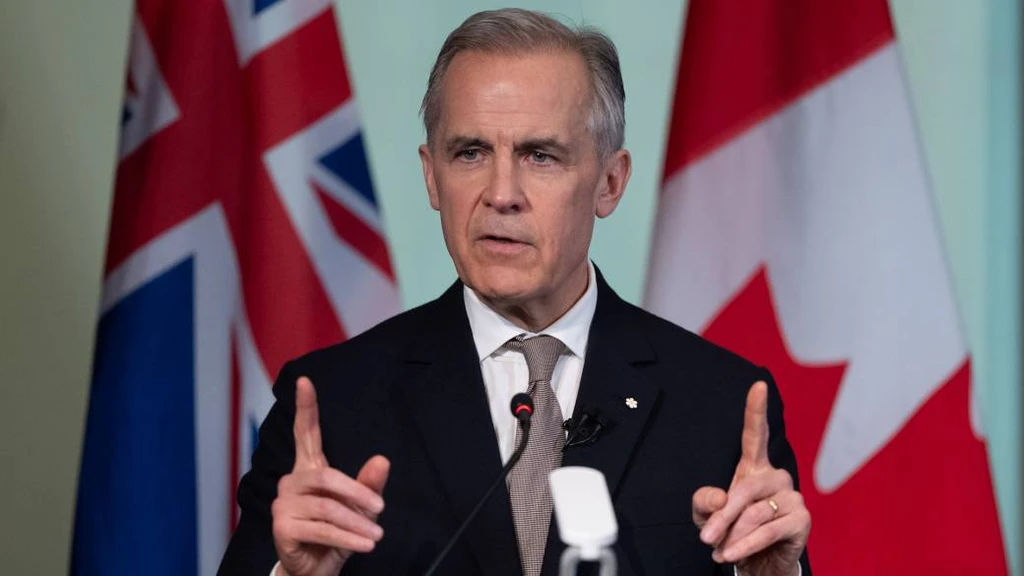
Prime Minister Mark Carney's economic plans include investments to expand Canada's energy resources and logistics. Although these initiatives are long-term, the immediate demand spurred by the Iran conflict is creating urgency. QatarEnergy has halted LNG production due to the conflict, further emphasizing the need for alternative supply sources.
Canada's Energy Minister's office confirms receiving increased interest from countries seeking Canadian energy exports. While Canada is expanding its LNG shipments, short-term availability of ships and infrastructure remain key constraints. Baron emphasizes that developing robust infrastructure for sustained energy exports is a multi-decade endeavor, though short-term solutions like acquiring more container ships may offer some relief.