Climate finance in Asia is undergoing a significant shift. Bank executives speaking at Ecosperity Week 2026 say the focus is moving beyond simply cutting emissions to include climate adaptation and energy security.
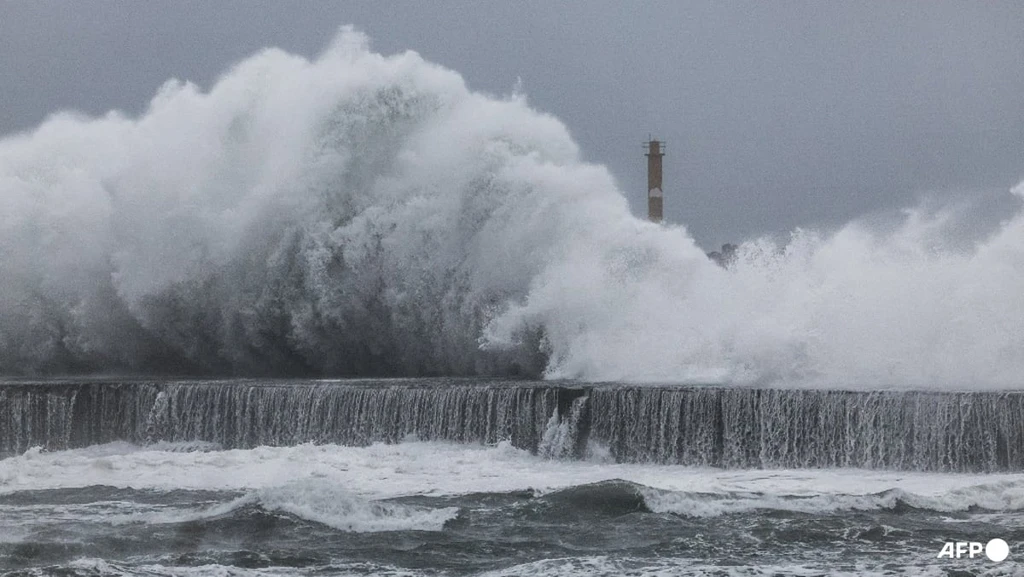
As extreme weather events become more frequent, banks are now prioritizing investments in sea walls, flood protection, and other adaptation projects that help economies withstand the physical impacts of climate change.
A new report by Bain & Company and Standard Chartered reveals a significant gap: about 35% of announced green capital expenditure in Southeast Asia remains unrealized due to grid bottlenecks, policy uncertainty, and execution delays.
The findings underscore a growing need for investment in renewable energy, driven by rising electricity demand from data centers and electric vehicles. HSBC's chief sustainability officer Julian Wentzel noted that renewable projects can be deployed much faster than conventional power plants-often in under 18 months.
However, experts warn that Southeast Asia's power grids are a critical 'chokepoint' holding back broader green investment. The region faces an annual grid investment shortfall of around $18 billion.