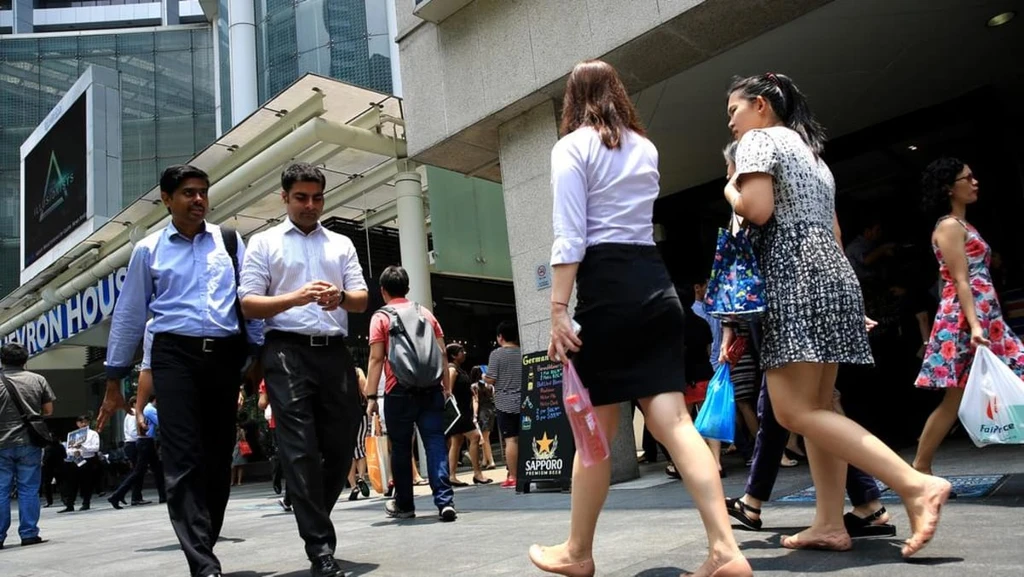
Singapore's inflation forecast has been revised upwards due to the ongoing Middle East conflict, which is causing volatility in energy prices and supply chains. The Monetary Authority of Singapore (MAS) has tightened monetary policy and increased its inflation forecast for 2026 to between 1.5 and 2.5 percent, up from 1 to 2 percent. This follows a period of easing inflation after the 2022 Russia-Ukraine war, which had previously pushed prices to 14-year highs.
The conflict's impact is already felt by consumers, with higher costs for petrol, electricity, and daily essentials. Hawkers and transport operators are also considering price increases. A key factor influencing the situation is the Strait of Hormuz, a critical route for global oil supply, where tensions have risen following a US blockade of Iranian ports.
While global energy supply shortages have not yet materialized, prolonged conflict poses an increasing risk. The cost of procuring fuel has risen, impacting not only direct energy costs but also transportation and logistics, with these higher expenses likely to be passed on to consumers. Economists refer to this as "second round effects."
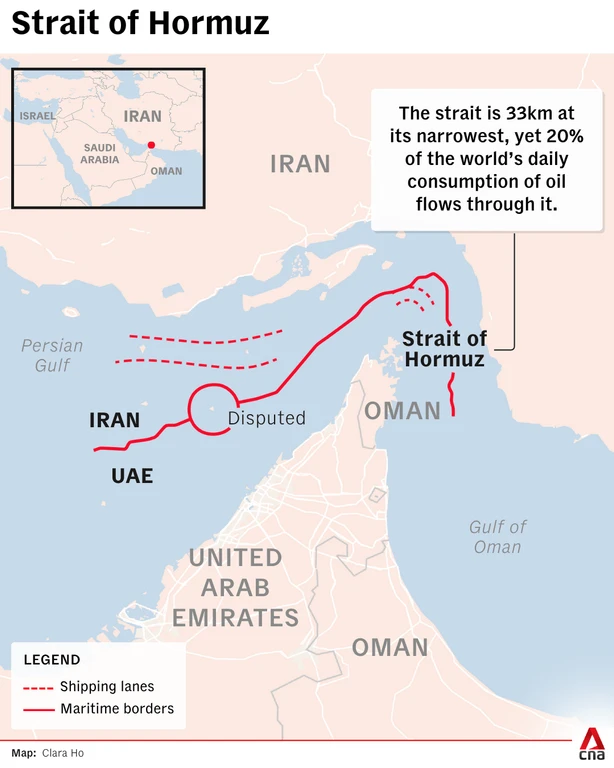
However, some factors suggest this inflation episode might not reach the extremes of 2022. Unlike previously, there hasn't been a broad-based surge in other commodity prices, particularly agricultural goods. While fertilizer and transport costs have increased, their impact on food prices is expected to be slower and less severe than during the Ukraine war, which directly disrupted global food supplies. Additionally, oil prices, though higher now, remain below the 2022 peak.
Despite these mitigating factors, consumers are sensitive to price changes, especially for everyday essentials like food, transport, and utilities, which are rising faster than overall inflation. The Singapore government has committed S$1 billion to cushion the impact of higher energy prices, with further assistance possible if conditions worsen. The MAS has room to tighten monetary policy further if necessary by allowing the Singapore dollar to appreciate, helping to curb imported inflation. The key message for households and businesses is vigilance and adaptability in managing costs, rather than panic over short-term price spikes.