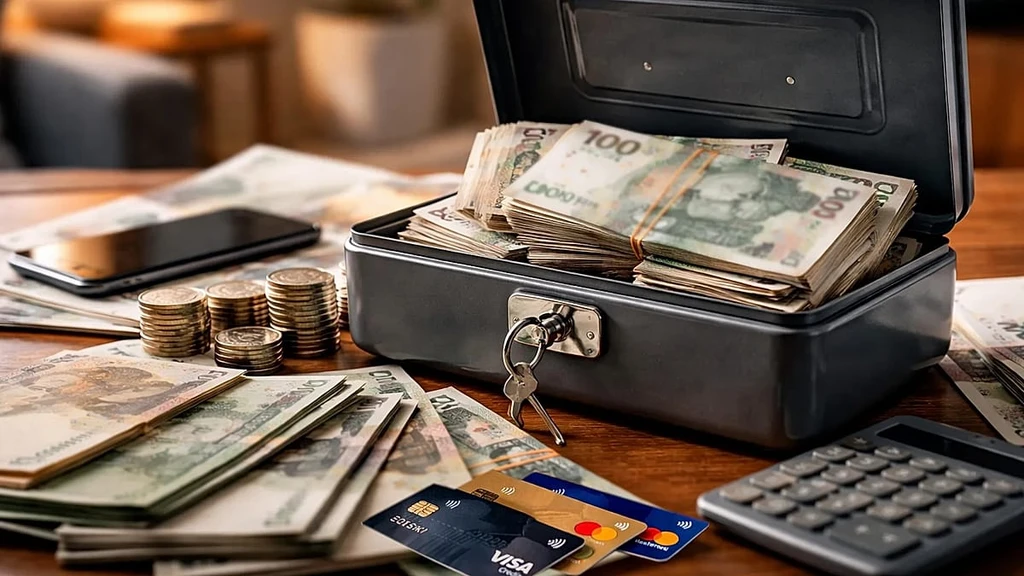
Poland's Minister of Finance Andrzej Domański has responded to recommendations for citizens to stockpile physical cash, citing risks to digital payment systems. The advisory, originating from Estonia's central bank, suggests households keep up to a week's worth of expenses in cash due to potential failures, cyberattacks, or power outages.
Domański stated that Poles already maintain a significant portion of their savings in cash, implying no new advice is needed. He noted that even minor payment system disruptions, not just extreme scenarios like war, pose a real threat.
This discussion occurs as cashless payments reach record popularity in Poland, with 70-80% of citizens regularly using cards and mobile payments. However, many in Warsaw acknowledge the practice of holding emergency cash reserves, driven by fears of cyberattacks, blackouts, international tensions, and lessons from the COVID-19 pandemic.
The Estonian recommendation is partly linked to Europe's reliance on US payment operators like Visa and Mastercard, fueling the EU's digital euro initiative. The digital euro aims to establish an independent central bank-issued digital currency, mitigating risks associated with foreign payment infrastructure.
However, awareness of the digital euro among Poles remains limited. The EU is also introducing new regulations, set to take effect from 2027, which will impose limits on cash transactions, with withdrawals exceeding €10,000 requiring additional identification and potential institutional approval. These measures aim to enhance financial security and combat money laundering.
The evolving financial landscape suggests a hybrid model where physical currency, payment cards, and digital currencies like the digital euro will coexist, each serving distinct roles in state security and daily transactions.