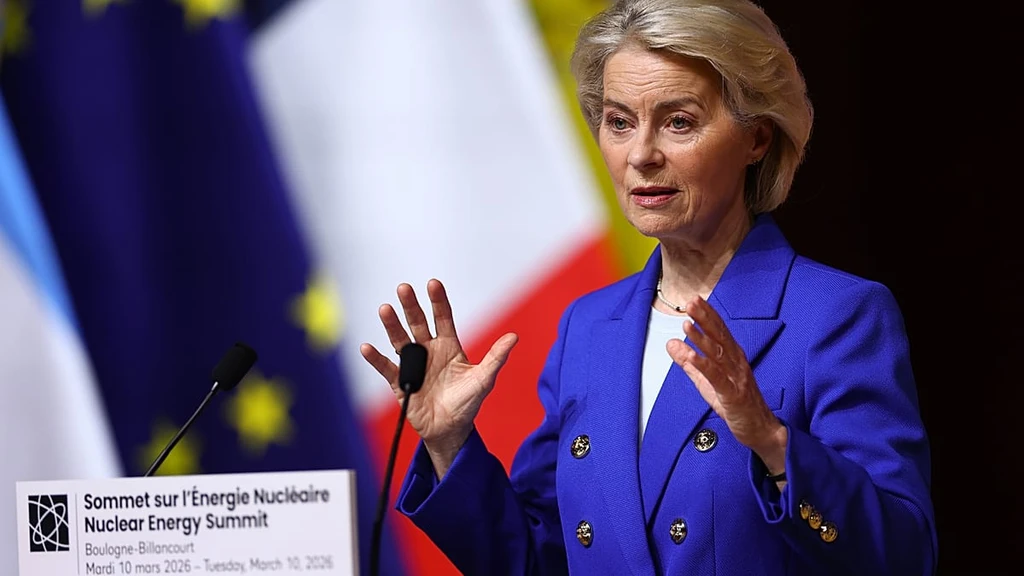
European Commission President Ursula von der Leyen has firmly rejected calls to dismantle the EU’s Emissions Trading System (ETS), insisting it remains a proven engine for decarbonization and clean investment. Despite pressure from energy-intensive industries and nations like Italy, Hungary, and Romania, von der Leyen argues the carbon market delivers long-term certainty and funds renewable innovation.
The Commission will revise its climate policy by July to align with the 2040 emissions target, but will not suspend the ETS. Instead, it is urging member states to act swiftly on electricity pricing through existing tools: targeted state aid, indirect cost compensation, and temporary gas-price caps-while avoiding market distortions.
To curb volatility, the EU will accelerate reforms to the Market Stability Reserve, a mechanism designed to stabilize carbon prices. Climate Commissioner Wopke Hoekstra noted recent industry lobbying triggered sharp price swings, undermining the system’s credibility.
Ireland has already expanded its energy support measures, extending a 9% VAT on utilities and boosting the Fuel Allowance to €38 weekly, alongside a €640 million retrofit fund.
Meanwhile, experts warn that without strategic allocation of free carbon allowances, sectors like chemicals and steel face rising competitiveness risks as allowances grow scarcer.
The debate intensifies ahead of the European Council summit, where leaders must reconcile climate ambition with economic pressure.