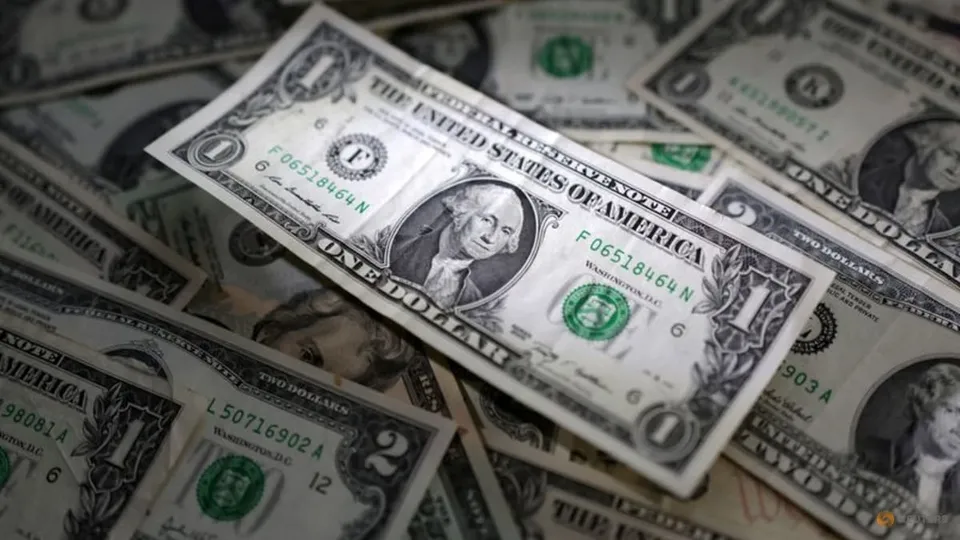
The U.S. dollar is poised for its most significant weekly gain since October, fueled by stronger-than-expected economic data and a more hawkish Federal Reserve outlook, as geopolitical tensions escalate in the Middle East. The dollar index registered a notable increase, reflecting its strength against a basket of major currencies.
Recent U.S. jobs data underscored labor market stability, with initial jobless claims falling more than anticipated. Earlier in the week, Federal Reserve meeting minutes revealed a division among policymakers regarding the future path of interest rates, particularly in light of persistent inflation.
Geopolitical risks are also contributing to the dollar's ascent, as investors typically flock to the greenback during periods of global instability. U.S. President Donald Trump issued a stern warning to Iran regarding its nuclear program, setting a firm deadline for cooperation and prompting retaliatory threats from Tehran. This has led markets to position for potential conflict in the region over the weekend.
This increased geopolitical risk could impact other major currencies, including the euro, Japanese yen, and British pound, potentially leading to greater volatility. Sterling has fallen to a one-month low, and the euro is also under pressure, exacerbated by uncertainty surrounding the European Central Bank's leadership.
Looking ahead, key U.S. economic reports, including the core PCE price index and fourth-quarter GDP figures, are expected to influence currency movements. While markets are pricing in potential Federal Reserve rate cuts this year, recent data and commentary suggest a debate within the Fed about balancing support for the job market against the need to combat inflation.
In Japan, inflation data showed a slowdown in consumer price growth, suggesting the Bank of Japan may not feel immediate pressure to alter its monetary policy. The yen has weakened against the dollar, while the New Zealand dollar is also facing downward pressure due to a dovish outlook from its central bank.