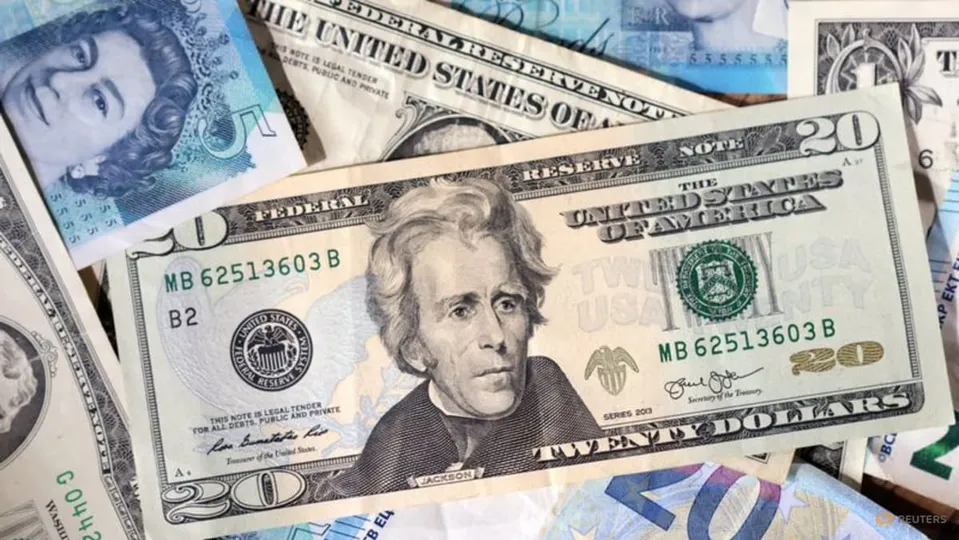
The U.S. dollar weakened as the Supreme Court struck down President Trump's tariffs, creating market uncertainty. The ruling, which found the use of a 1977 emergency law exceeded presidential authority, has prompted the administration to seek alternative methods for imposing levies.
Traders are weighing the potential impact of further tariffs, with arguments for both bullish and bearish scenarios for the dollar. Increased tariffs could drive inflation and reduce the likelihood of Federal Reserve rate cuts, supporting the dollar. Conversely, heightened uncertainty and the risk of de-dollarization could weaken the currency.
The European Parliament has postponed a vote on the EU-US trade deal due to the new import tax. Meanwhile, U.S. Treasury Secretary Scott Bessent expressed confidence that global partners would honor trade agreements with the administration.
Market focus also remains on rising geopolitical tensions. A third round of nuclear talks between Iran and the U.S. is scheduled for Thursday in Geneva. Additionally, the Mexican peso weakened following the reported death of a prominent drug lord, which led to retaliatory violence.