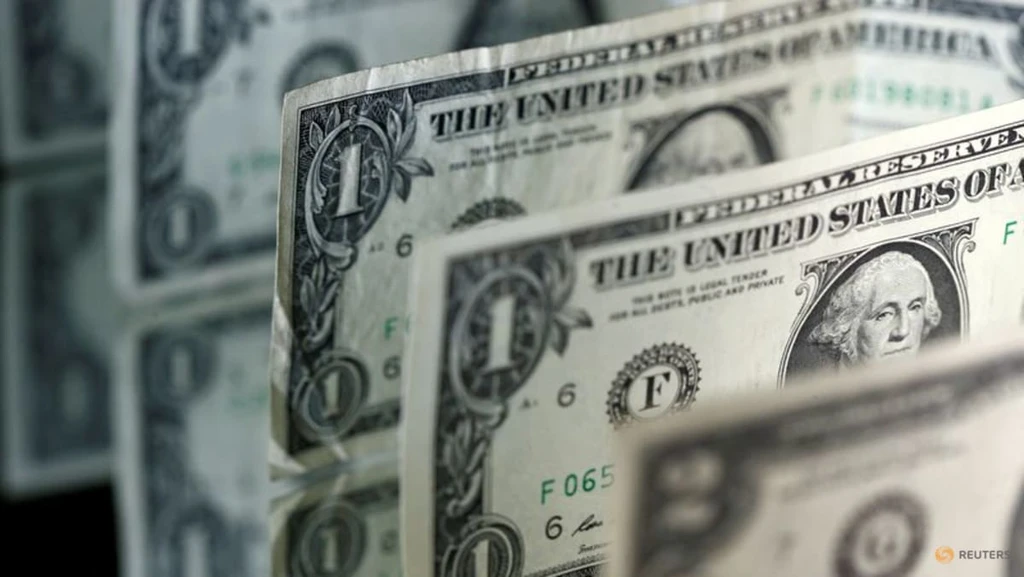
The US dollar retreated from recent highs on Tuesday, losing some of its safe-haven appeal. This shift occurred on speculation that the conflict in the Middle East might be limited in scope. Simultaneously, soaring oil prices saw a significant drop, and riskier assets experienced a boost.
President Donald Trump indicated that the war against Iran was "very complete" and Washington was "very far ahead" of initial time estimates. While Iran's Revolutionary Guards dismissed these comments as "nonsense," the remarks appeared to temper traders' immediate concerns about a severe oil shock, leading to a wait-and-watch approach.
Brent crude futures traded lower in early Asian trade, down from highs near $120 per barrel on Monday. The Australian dollar, sensitive to risk, steadied after hovering around 70 cents since the conflict began.
Analysts suggest the market is taking a breather, but caution remains. The dollar had previously acted as a refuge for traders as attacks on Iran threatened to halt oil and gas exports through the Strait of Hormuz, causing energy prices to surge. Concerns persist that high energy costs could hinder global economic growth and deter central banks from easing interest rates.
Sterling and the New Zealand dollar also recovered from earlier dips. Some analyses indicate that significant market moves away from risky assets may require sustained high oil prices, a policy shift from central banks, and clear signs of a broader economic slowdown. While closer to these thresholds than previously, some metrics suggest these conditions are not yet fully met.