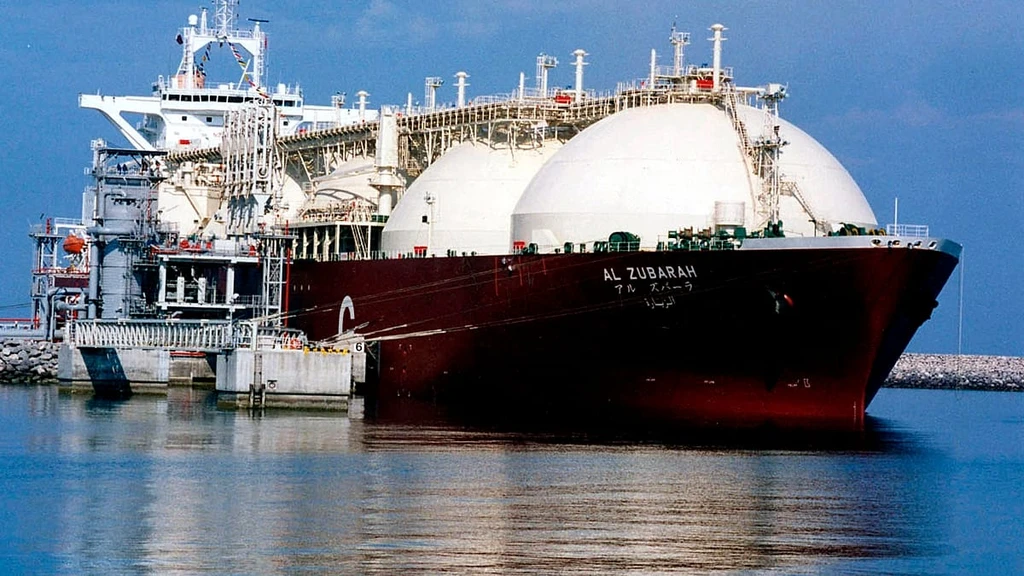
Europe is being shut out of the global LNG market as Asian buyers pay premium prices for limited cargoes. Ship-tracking data reveals at least 11 tankers originally bound for Europe have been rerouted to Asia, with two diverted to Egypt and one to Turkey.
The crisis stems from escalating Middle East tensions. Strikes on Qatar’s Ras Laffan-the world’s largest LNG export facility-forced QatarEnergy to declare force majeure on shipments to Belgium, Italy, and Poland. Simultaneously, Iran’s control over the Strait of Hormuz, through which 20% of global LNG flows, has tightened amid retaliation for U.S. and Israeli missile strikes.
Taiwan, reliant on Hormuz for energy, now has just 11 days of gas reserves. Europe, though less dependent on the chokepoint, faces mounting pressure during its critical spring refill season.
"Thankfully, we’re exiting winter, so demand is falling," said Laura Page, LNG Insight Manager at Kpler. "But if storage isn’t replenished, next winter could be dire."
The Dutch TTF benchmark settled near €53-€54/MWh, well above pre-conflict levels. Asian buyers currently pay $1-$3/MMBtu more than Europeans-a small but decisive premium driving trade shifts.
Italy’s Prime Minister Giorgia Meloni visited Algeria to secure replacement gas, as Qatar supplied 30% of Italy’s annual needs. An ECCO think tank study suggests renewables and efficiency could offset most of that gap within a year.
Belgium, losing 8% of Zeebrugge terminal imports, is sourcing LNG from the U.S., Nigeria, and temporarily Russia-though Russian gas will be phased out by 2027. Poland’s Orlen stated the Qatari shortfall affects less than 10% of its supply and poses no security risk, citing diversified sources.
Meanwhile, the U.S. is leveraging Europe’s vulnerability. Ambassador Andrew Puzder warned the EU it may lose “favourable access” to American LNG if it fails to pass the pending EU-U.S. trade deal by Thursday. The agreement would commit the EU to $750 billion in U.S. energy purchases through 2028.