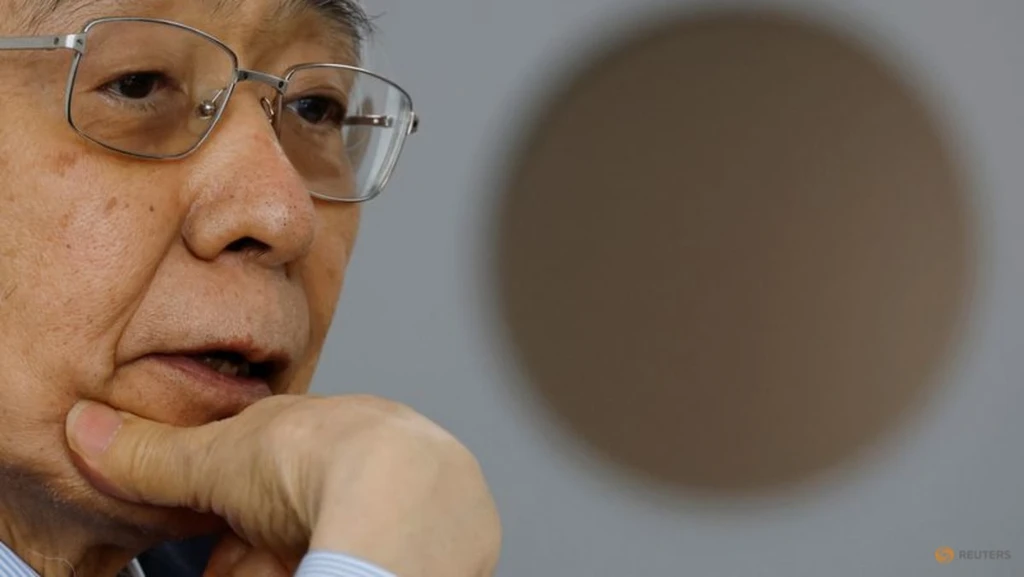
Former Bank of Japan Governor Haruhiko Kuroda stated Wednesday that Tokyo's recent yen intervention likely prevented the currency from breaking the 160-per-dollar level, but that the impact is unlikely to last. Speaking at a seminar, Kuroda explained that interventions have a longer-term effect only if they significantly damage speculators or overhaul market sentiment.
Japan is estimated to have spent nearly 10 trillion yen on intervention since April 30, its first in nearly two years. Kuroda noted a dollar/yen rate around 120-130 reflects equilibrium based on Japan's fundamentals, while the dollar traded near 157.80 yen on Wednesday.
He attributed the yen's weakness to rising oil import costs following the Ukraine war and interest rate divergence between Japan and the U.S. Kuroda described Japan's economy as in "extremely good shape" with inflation near the BOJ's 2% target, supported by solid wage gains.
Kuroda, who served as BOJ governor until 2023, deployed massive stimulus to combat deflation. His successor, Kazuo Ueda, exited ultra-loose policy in 2024.