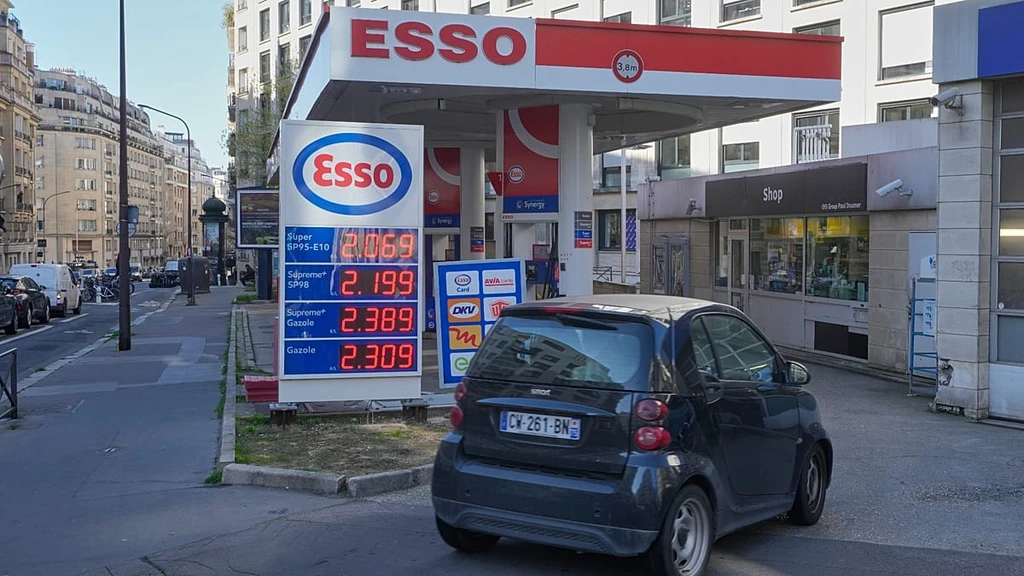
The war in the Middle East is fueling a stagflation crisis in Europe, with surging oil prices and supply chain disruptions hitting business activity and confidence.
March flash Purchasing Managers’ Index data from S&P Global show the eurozone composite PMI fell to 50.5 - the weakest in ten months - barely above the 50 threshold separating expansion from contraction.
Input cost inflation hit its highest level since early 2023, driven by energy, fuel, and shipping costs linked to turmoil in the Strait of Hormuz.
Supplier delivery times are now at their longest since August 2022, as firms scramble for inputs. Future output expectations dropped sharply, the most since Russia’s invasion of Ukraine.
Germany's composite PMI held at 51.9, with manufacturing jumping to a 45-month high of 51.7. But this reflects panic buying - companies front-loading orders over fears of supply shocks, not organic demand.
German services weakened, while input costs surged, signaling growing pressure on margins.
France’s situation is worse. Its composite PMI dropped to 48.3 - firmly in contraction - with both manufacturing and services shrinking. International demand fell at the fastest pace in 15 months.
Businesses cite geopolitical uncertainty, upcoming elections, and weak client spending as key drags. Companies can't pass rising costs - for oil, copper, steel - to consumers due to soft demand.
The European Central Bank now faces a no-win scenario: inflation is reviving just as growth stalls. With price pressures stemming from supply shocks, not demand, rate cuts or hikes offer limited relief.
S&P Global warns sustained energy volatility could lock Europe into a stagflationary spiral.