The American electric grid, designed for 20th-century centralized power systems, is struggling to adapt to the demands of a new era. Innovations in data centers, AI, and vehicle electrification are revealing the limitations of an old regulatory operating system.
Historically, electricity was an ignored background technology. However, the rapid growth of data centers, AI, and vehicle electrification, coupled with reliability concerns, has brought the electric grid into sharp focus. These new demands are creating tensions as utilities, regulators, and consumers debate how to serve massive new loads and who should bear the costs.
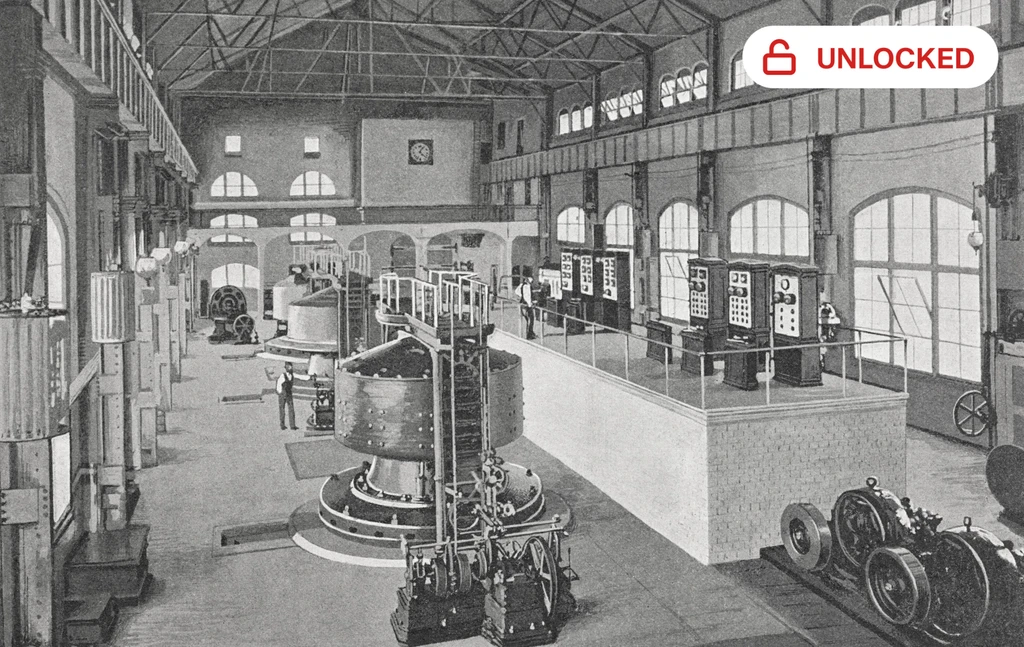
The modern grid's logic emerged from the late 19th-century victory of alternating current (AC) over direct current (DC), enabling large-scale generation and long-distance transmission. This architecture favored centralization, leading to the development of the public utility model - a regulated monopoly designed for an industry with high fixed costs and economies of scale.
Rate-of-return regulation, the primary governing mechanism, incentivizes utilities to invest in tangible, depreciable assets. While effective for building the 20th-century grid, this model struggles with the coordination, information, and flexibility demands of today's dynamic energy landscape.
New technologies like combined-cycle gas turbines, wind, solar, and digital controls have weakened the fit between the grid's infrastructure and its regulatory framework. The 'pacing problem'-where technology evolves faster than institutions-is particularly acute in the energy sector due to its physical, legal, and political significance.
Data centers, with their concentrated, time-sensitive, and reliability-intensive demands, are acting as a stress test for the grid. They expose the system's brittleness and the age of its regulatory operating system, challenging assumptions of gradual demand growth and standardized products.
State public utility commissions are developing "large load tariffs" to manage the impact of data centers, aiming to prevent ordinary ratepayers from subsidizing speculative load growth. Innovations like Pearl Street Technologies' SUGAR software are also emerging to streamline the complex interconnection queue, accelerating the integration of new generation and storage projects.
The core challenge is whether institutions designed for 20th-century centralized power can govern a 21st-century electricity economy. The focus must shift from merely approving capital to enabling performance, adaptation, and intelligent risk allocation, ensuring governance matches present conditions and can adapt to future changes.