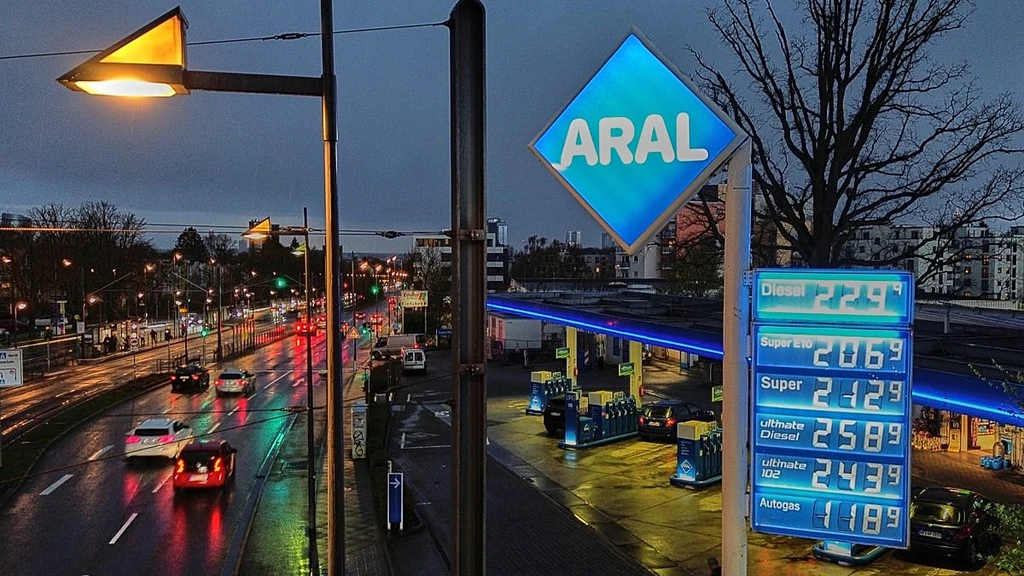
Eurozone inflation jumped to 2.5% in March, marking a significant increase from February's 1.9%. This surge was primarily fueled by rising energy prices, which climbed to 4.9% year-on-year after falling 3.1% in February. Brent crude oil surpassed $110 per barrel, while European natural gas prices rose 80% year-to-date.
Despite the headline jump, core inflation (excluding energy, food, alcohol, and tobacco) dipped to 2.3%, and services inflation eased slightly to 3.2%. This indicates that the current spike is largely an energy-driven shock rather than broad-based inflation.
Inflation varies across the eurozone: Croatia leads at 4.7%, followed by Lithuania at 4.5%, Ireland at 3.6%, Spain and Greece both at 3.3%, and Germany at 2.8%. Italy remains at 1.5%, with France at 1.9%. These differences reflect structural variations in energy consumption and pricing mechanisms.
The ECB is under pressure to respond. President Christine Lagarde has indicated that even temporary overshoots could warrant action, but she emphasized a data-driven approach. Analysts are divided: ING’s Carsten Brzeski argues for caution, while ABN AMRO sees potential 'insurance hikes.' Prediction markets suggest a 36.2% chance of a hike in April and a 76% probability for June.
BNP Paribas expects the ECB to tighten policy in June if Brent stays above $100 and the Hormuz blockade persists. Bank of America warns of faster behavioral responses due to lingering memories of 2022, suggesting hikes later this year. The ECB must balance anchoring inflation expectations against economic weakness.