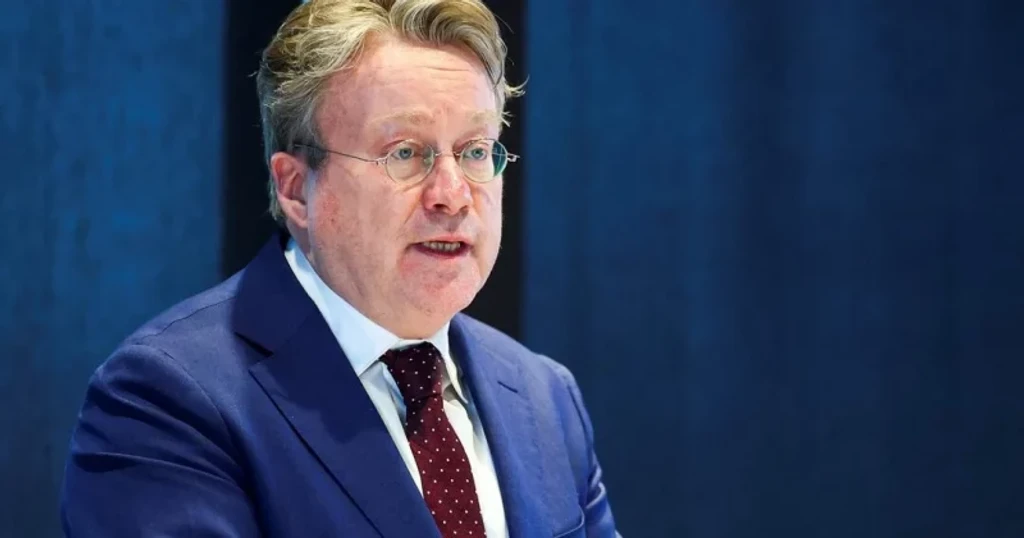
European Central Bank Governing Council member Olaf Sleijpen says the eurozone economy is currently tracking between the ECB's baseline and adverse scenarios. Speaking in Amsterdam, the Dutch central bank chief described conditions that are 'not great, not catastrophic' - a zone that historically signals a rate increase is likely.
Markets are already pricing in an 80-90% probability of a 25 basis point hike at the ECB's June 11 meeting, which would bring the deposit rate to 2.25%.
The driver is familiar: elevated energy prices fueled by the Middle East conflict involving Iran. The ECB's March 2026 adverse scenario projected 3.5% inflation and 0.6% GDP growth. Europe hasn't hit those thresholds yet, but the trajectory is moving in that direction.
ECB President Christine Lagarde and Bundesbank President Joachim Nagel have echoed similar assessments. The challenge for the central bank is that energy-driven inflation isn't responsive to interest rate policy. Raising rates won't resolve geopolitical tensions, but it could slow an economy with little momentum to spare.
For investors, the key isn't the June rate decision alone - markets have already positioned for it. The real signal will come from the ECB's forward guidance on whether additional tightening lies ahead.