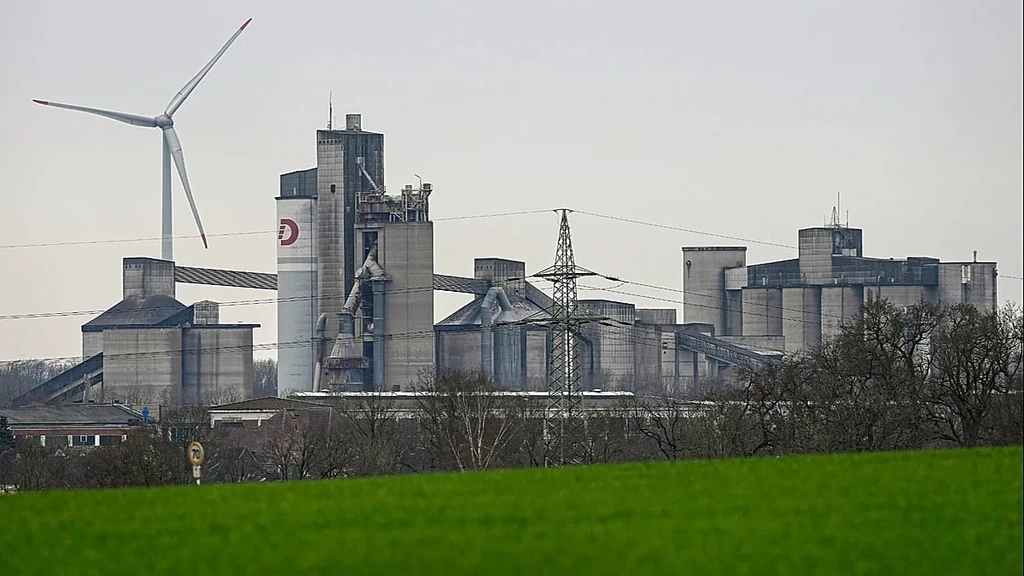
The European Commission is poised to offer energy price relief to struggling industries, a move aimed at bolstering economic competitiveness. Energy-intensive sectors like chemicals, steel, and aluminum have faced significantly higher electricity and gas costs compared to rivals in the US and China.
EU leaders are evaluating potential changes to national electricity taxes, network charges, and carbon costs. These measures are intended to address price disparities that impact industrial consumers across the bloc. Italy has already signaled a willingness to increase taxes on companies profiting from energy price surges.
The proposed relief focuses on three key areas: reducing national electricity taxes, which can represent up to 10% of energy bills; addressing network charges, averaging 18% of industrial electricity costs; and managing carbon costs for electricity generation, accounting for an additional 11%.
While existing EU rules permit financial aid and market reforms like Contracts for Difference and Power Purchase Agreements aim to stabilize prices, industry representatives argue these measures have proven insufficient. The bloc's ongoing reliance on imported fossil fuels leaves it vulnerable to global price volatility and geopolitical disruptions.