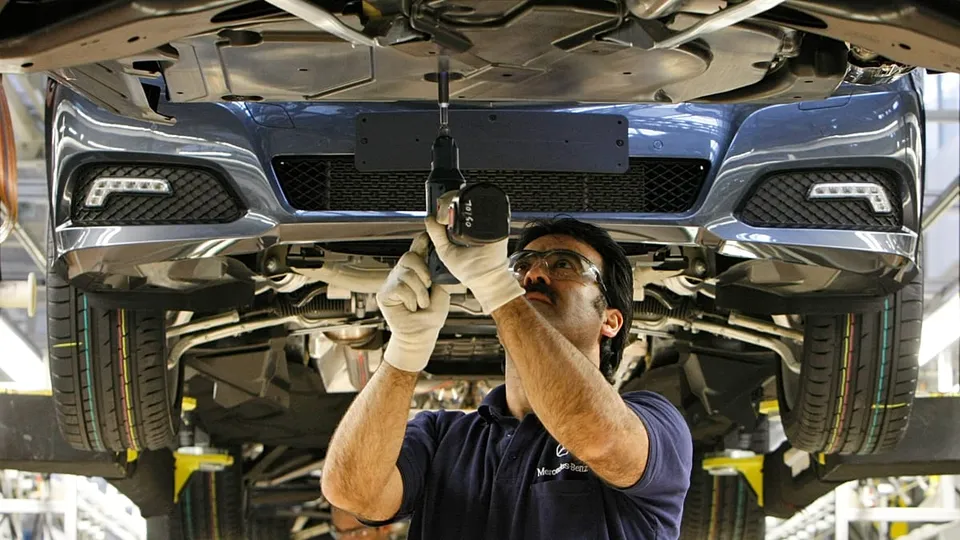
Eurozone manufacturing has returned to expansion for the first time in months, reaching its strongest level since June 2022. The flash Eurozone Manufacturing PMI increased to 50.8 points in February, exceeding market expectations and crossing the 50-point threshold that separates contraction from growth.
The broader composite index, combining manufacturing and services, rose to 51.9, signaling moderate expansion in overall private sector activity.
For two years, manufacturing has burdened Eurozone growth due to weak global demand and higher costs. This February rebound may signal a shift, with new orders returning to moderate growth, suggesting continued output expansion.
Germany, the bloc's industrial powerhouse, spearheaded this manufacturing revival. Its manufacturing PMI climbed to 50.7, marking its first expansionary period in over three and a half years. Robust new orders, including from abroad, and rising order backlogs contributed to this turnaround, supported by increased public spending on infrastructure and defense.
France, however, continues to stagnate. Its composite PMI remained just below the expansion threshold at 49.9, with manufacturing slipping back into contraction and services output declining. Weak demand, particularly for exports, and stagnating hiring activity persist.
The manufacturing resurgence is accompanied by renewed price pressures. Input costs across the Eurozone saw their fastest increase since December 2022, largely driven by manufacturers. Higher energy prices in Germany, with crude oil and natural gas costs rising significantly, are a contributing factor. While companies passed some costs to customers, the pace of selling price inflation eased slightly overall.
This mixed economic picture presents a challenge for the European Central Bank. Elevated service price pressures, though moderating, and building manufacturing costs suggest the ECB is unlikely to alter its policy stance soon. The sustainability of the manufacturing recovery without reigniting inflation remains a key concern.