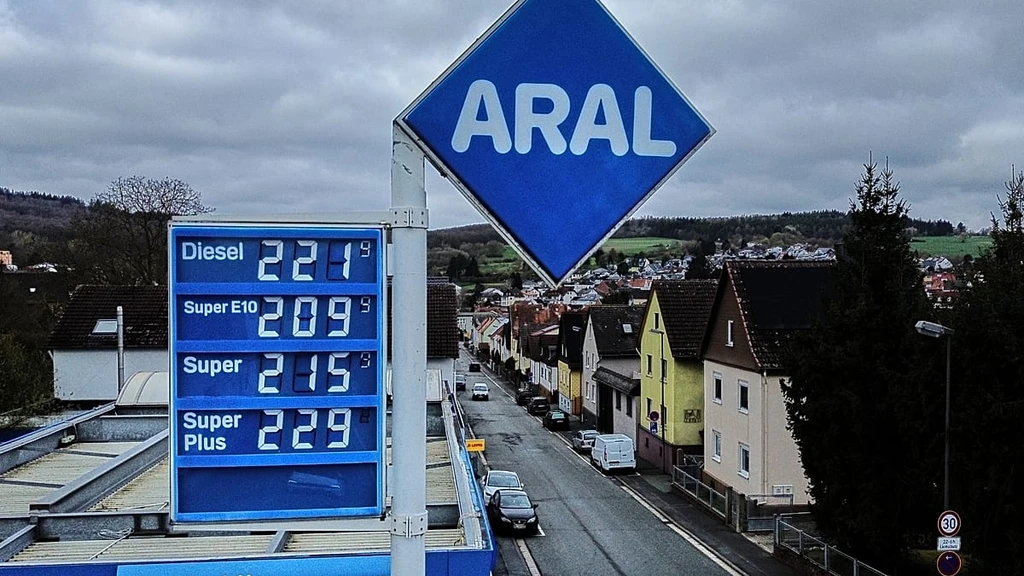
European Union finance ministers are advancing emergency plans to cap oil prices and levy windfall taxes on energy firms as the war in Iran drives Brent crude above $100 a barrel and spikes natural gas costs.
Economy Commissioner Valdis Dombrovskis warned that the conflict’s “scale, severity and impact” have intensified, citing attacks on energy infrastructure and the closure of the Strait of Hormuz. Eurogroup President Kyriakos Mihrakakis emphasized that the crisis’s duration will dictate the magnitude of the energy shock.
Despite progress since the 2022 Ukraine-driven crisis-renewables now supply 48% of EU electricity, up from 36% in 2021-officials admit Europe remains vulnerable to global supply shocks. Defense spending has also constrained fiscal flexibility.
The European Commission is urging coordinated, short-term relief focused on hardest-hit households and businesses, avoiding broad subsidies that could distort markets. Measures may be funded through carbon market revenues or windfall taxes, not new debt.
Plans include lowering electricity tax rates relative to fossil fuels and strengthening the EU’s carbon market via updated benchmarks and an enhanced Market Stability Reserve to curb volatility.