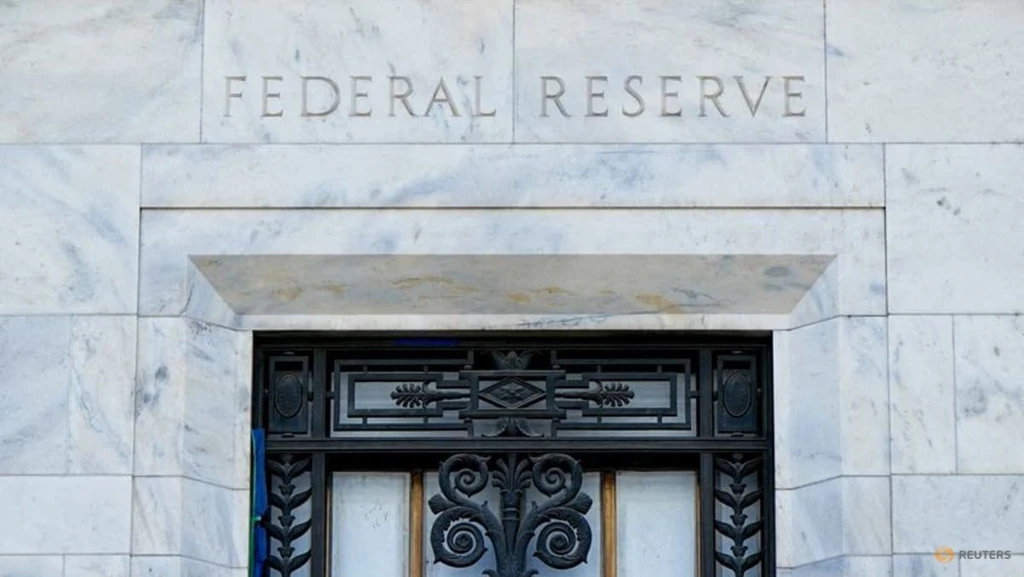
The US Federal Reserve is facing an uncomfortable decision as fresh signs of labor weakness and oil-driven inflation concerns emerge. Officials must choose between keeping borrowing costs steady to combat inflation or cutting them to support a job market that is losing ground.
Oil prices have surged past US$90 a barrel, pushing gasoline prices up, while a recent Labour Department report showed employers unexpectedly shed jobs in February, and the unemployment rate climbed to 4.4 percent. Private-sector job growth in 2025 was the weakest since 2009, excluding the COVID-19 shock.
Fed officials are divided. Some, like San Francisco Fed President Mary Daly, emphasize the need to monitor both the labor market and inflation, which remains above the Fed's 2 percent target. Others, like Chicago Fed President Austan Goolsbee, remain hopeful for inflation improvement but acknowledge uncertainties are delaying potential rate cuts.
The Fed is expected to hold rates steady at its upcoming meeting, but the persistent rise in oil prices due to geopolitical tensions presents a significant risk. While some view the oil price increase as a temporary event, others caution that it could start impacting other sectors of the economy if it becomes permanent.
Traders are now pricing in a higher probability of rate cuts starting in June, underscoring the market's concern about the economic outlook. The central bank faces a challenging balancing act to achieve both price stability and maximum employment.