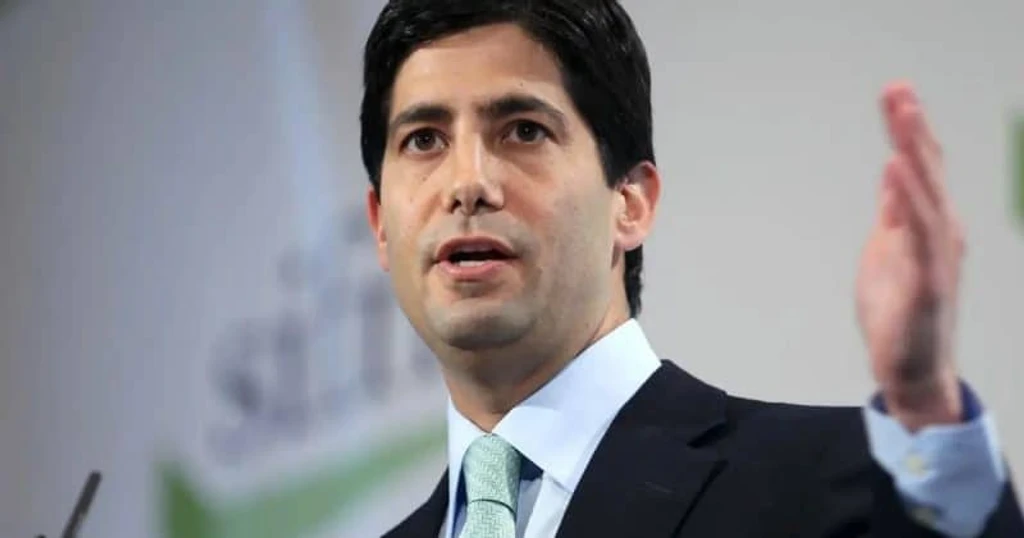
Federal Reserve Chairman Kevin Warsh is confronting a defining monetary policy challenge less than one month into his tenure. The central question is whether the massive wave of artificial intelligence investment will lower prices through productivity gains or drive inflation via surging demand for capital and energy.
Warsh, who was sworn in on May 22, 2026, maintained steady interest rates during his first FOMC meeting while issuing a hawkish policy statement. He argues that AI functions as a disinflationary force comparable to the internet boom of the late 1990s. Under that historical framework, the Fed allowed growth to continue without aggressive rate hikes because technology fundamentally altered economic output capacity.
However, current conditions differ significantly from the Greenspan era. Inflation remains above target partly due to supply pressures from the Iran conflict. Skeptical Fed officials warn that immediate inflationary impacts from data center buildouts and power demand may require higher rates later in 2026 if price pressures do not cool.
Beyond traditional monetary policy, Warsh brings a distinct perspective on digital assets. He disclosed holdings in multiple crypto firms during his Senate confirmation and has described Bitcoin as an important asset for policymakers. Notably, he abstained from a June 2026 vote on new stablecoin policies even as other governors approved the measure.
For investors, the stakes are high. If Warsh’s thesis regarding AI-driven disinflation proves correct, the Fed could justify lowering rates, which would reduce the opportunity cost of holding non-yielding assets like Bitcoin. Conversely, if infrastructure costs spike without delivering immediate productivity dividends, the Fed may be forced to raise rates despite heavy capital expenditure in the tech sector.