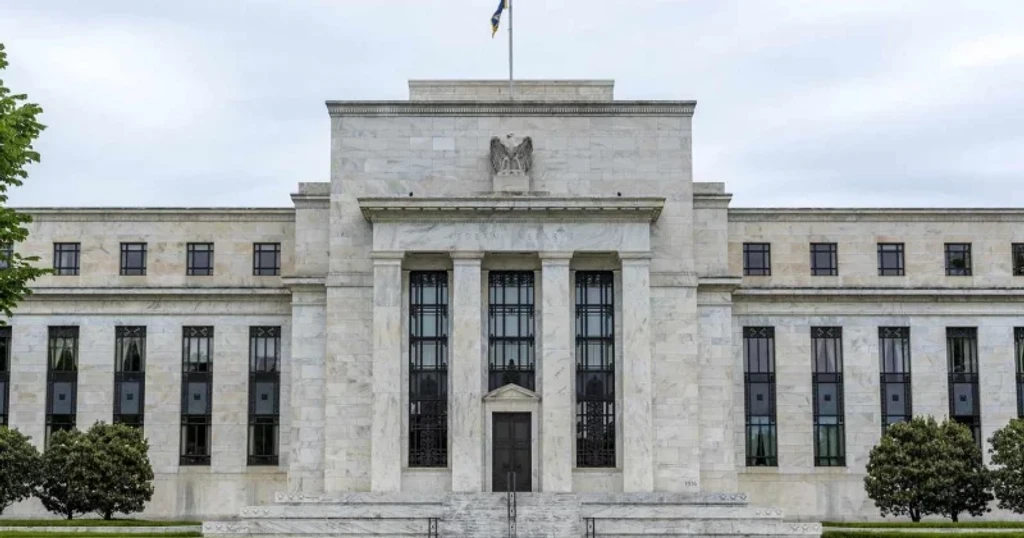
The Federal Reserve held interest rates steady at its April 29 meeting, with Chairman Jerome Powell warning inflation "hasn't even peaked yet." That assessment came as markets juggled US-Iran military tensions, surging energy costs, and growing uncertainty.
Despite the hawkish tone, stocks edged higher. Oil prices-a major driver of 2026's inflation-pulled back from highs as truce negotiations between Washington and Tehran gained momentum.
The crisis traces to late February 2026, when US-Iran conflict escalated, culminating in Iranian forces closing the Strait of Hormuz on March 4. Brent crude soared from $71 to over $100 a barrel. By mid-May, truce talks pushed oil into a $97-$111 range, fueling a stock rally even as bond yields hit multi-year highs.
The April Consumer Price Index came in at 3.8%, reinforcing the Fed's cautious stance. Markets now expect zero rate cuts for the remainder of 2026, a shift that has pushed bond yields higher and created headwinds for growth-sensitive tech stocks.
Bitcoin traded above $80,000 in early May, holding firm despite reduced rate-cut expectations. This quiet decoupling from traditional risk assets suggests investors may be viewing Bitcoin as a hedge against inflation and geopolitical instability-even without cheap money flowing back into speculative markets.