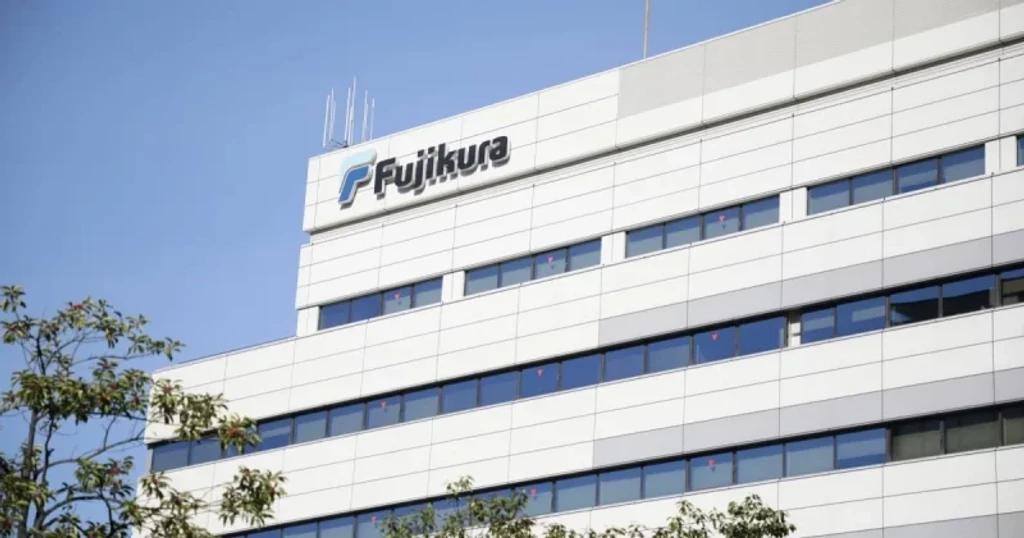
A stock that surged over 400% in a year just lost nearly 40% of its value in four trading days. Fujikura Ltd., the Japanese optical fiber cable manufacturer riding the AI infrastructure wave, delivered an earnings forecast so far below expectations that it triggered a selloff felt well beyond Tokyo.
The company's operating-profit target for fiscal 2028 came in at ¥315 billion. Analysts expected ¥455 billion. That's a gap of roughly $900 million less profit than the market had priced in.
On May 19, Fujikura shares fell as much as 17% in a single session. Over the next three days, selling continued, wiping out about ¥5.6 trillion in market capitalization-a roughly 40% decline.
The broader selloff hit other Japanese tech and AI-linked stocks, particularly ahead of major earnings reports like Nvidia's.
Fujikura makes optical fiber cables and high-speed interconnects essential for data centers powering AI workloads. Every new hyperscale facility from Nvidia, Microsoft, or Google needs this advanced cabling. Investors saw Fujikura as a picks-and-shovels play on the AI gold rush.
A 40% drop in four days for a company with real products and revenue isn't normal price discovery. It's a repricing of risk that was systematically ignored during the euphoria. Investors weren't wrong about the company's products-they were wrong about how much upside was already baked into the price.