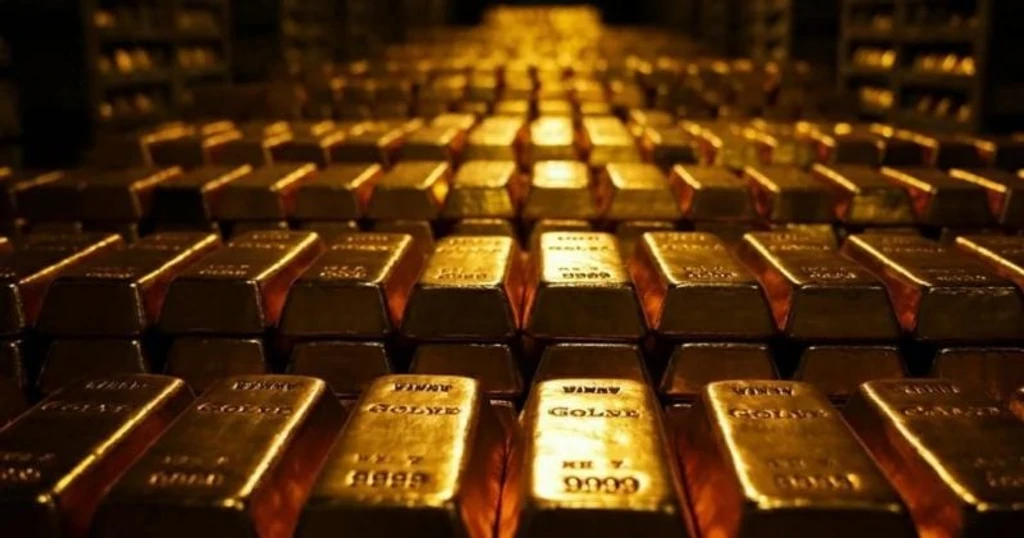
Gold futures for August delivery settled at $4,505 per ounce on June 4, rising more than 1% on a single session. The catalyst: a ceasefire agreement between Israel and Lebanon announced late on June 3, which injected optimism into markets bracing for further escalation.
The ceasefire didn't just move gold. It sent oil prices falling more than 3% and pushed the US dollar lower.
When the dollar drops, gold becomes cheaper for holders of other currencies, mechanically boosting demand. On June 4, the dollar's decline was significant enough to more than offset the reduced safe-haven bid, pushing gold above $4,500.
JPMorgan analysts noted a retreat from the 'debasement trade'-buying gold and Bitcoin as hedges against currency erosion and instability. The pattern has been consistent throughout 2026: gold and Bitcoin rallying on peace announcements and pulling back on conflict escalation. The ceasefire is the latest, and most significant, data point in that trend.