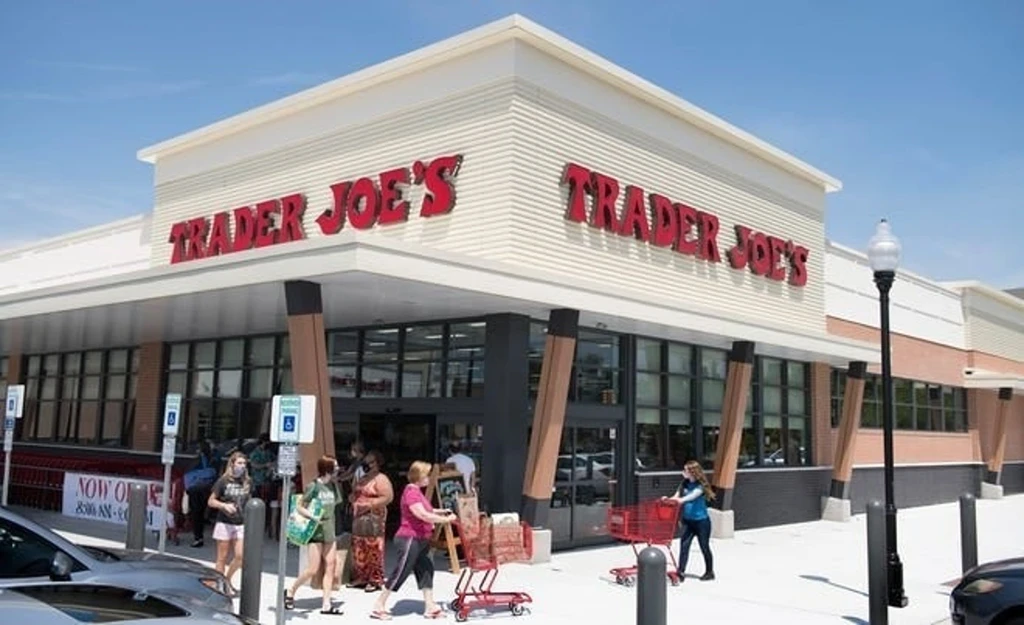
A new analysis suggests your local grocery store choice signals much more than food preferences; it predicts housing wealth.
Aziz Sunderji of the newsletter Home Economics matched 32,000 store openings over 50 years against Census demographics. The findings reveal a stark economic divide.
Neighborhoods welcoming Trader Joe’s saw home prices grow 6% faster than the national average within three years. In contrast, areas gaining Walmart locations lagged behind by 4%.
Trader Joe’s shoppers typically hold bachelor’s degrees, with median incomes of $82,000. Walmart’s footprint aligns with lower-income zones where home values sit significantly lower.
This pattern underscores a broader trend. As Sunderji noted, the K-shaped economy runs through the grocery aisle, highlighting widening inequality in affordability and wealth accumulation.