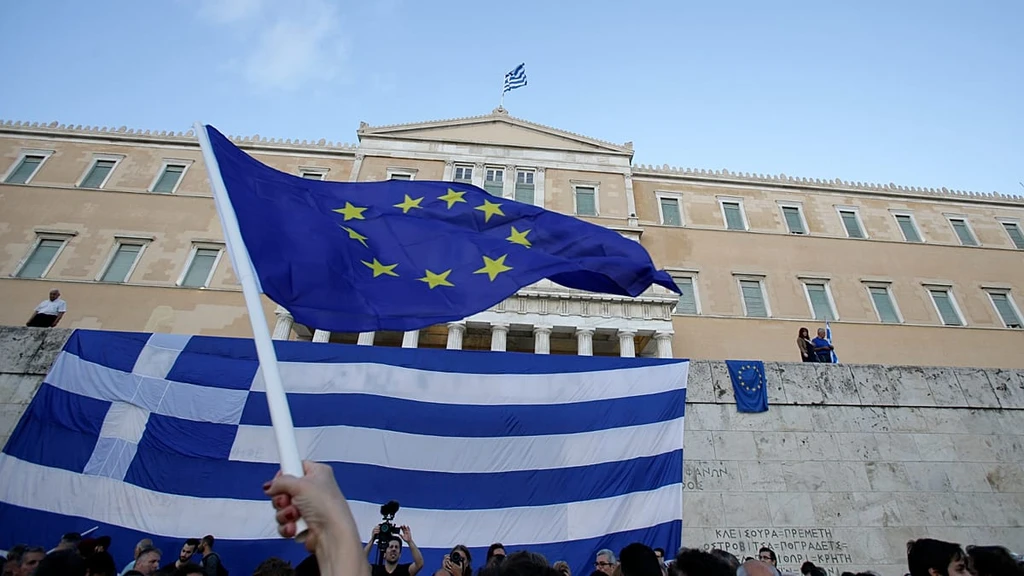
A decade after its banks collapsed and its stock market lost over 90% of its value, Greece has staged one of the most remarkable financial turnarounds in modern history. The Athens Composite Index has returned roughly 146% over the past five years, beating the Nasdaq 100's 116% and the S&P 500's gains.
The Banking Cleanup
The recovery was led by the nation's lenders-National Bank of Greece, Eurobank, Piraeus Bank, and Alpha Bank. Their combined non-performing loan ratio, which peaked near 47% in late 2016, has been slashed through a combination of the Hercules securitization scheme and organic profitability improvements. By 2025, combined net profits of the four largest banks reached close to €5bn.
Fiscal Transformation
Greece's tax-to-GDP ratio rose from 20.5% in 2009 to roughly 28% in 2025, driven by VAT digitalization, office consolidations, and real-time electronic invoicing. The country recorded a primary surplus close to 5% of GDP in both 2024 and 2025. Sovereign spreads over German bunds have returned to pre-2008 crisis levels.
Investment Grade Returns
All major credit rating agencies now classify Greek sovereign debt as investment grade. Moody's was the final holdout, upgrading Greece to Baa3 in March 2025. The Athens Stock Exchange was acquired by Euronext in November 2025, and MSCI is considering upgrading Greece to Developed Market status.
Risks Remain
Despite the rally, the economy remains vulnerable to geopolitical disruptions, the winding down of the EU's Recovery and Resilience Facility in 2026, and persistent inflation at 3.1%. Investment still trails the EU average, and productivity and female labor force participation remain low.