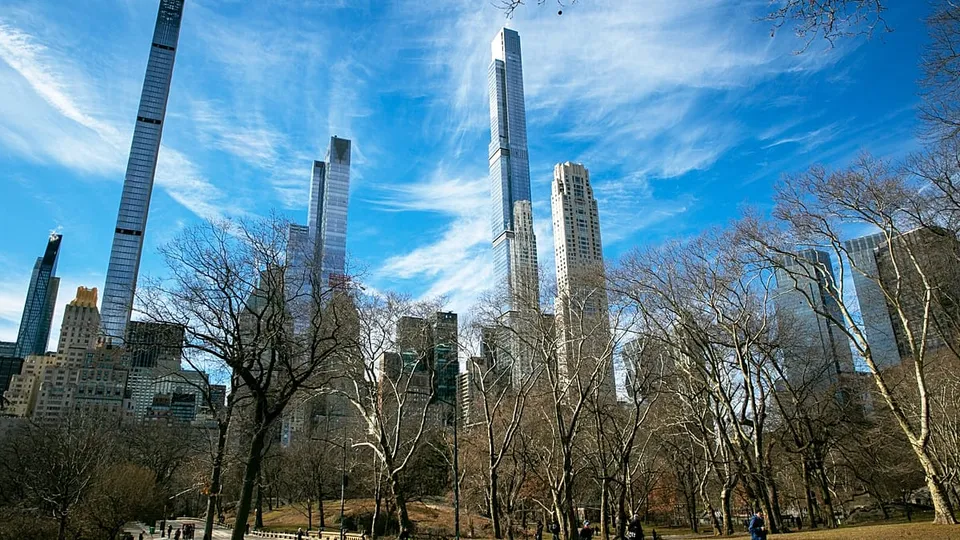
Nearly half the units in New York City's tallest seven residential towers remain vacant, a trend driven by the ultra-wealthy who use these properties as real estate "safety deposit boxes." These luxury apartments, with average listing prices around $30 million, are primarily vehicles for capital preservation, shielding wealth from inflation and global instability.
Properties like Central Park Tower, completed in 2020, exemplify this strategy. Despite high prices, many units remain unsold, with developers even refinancing vacant apartments. The primary appeal for billionaires is not rental income, but the ability to preserve an asset in pristine condition for quick liquidation when liquidity is needed. These homes function as a stable store of value, akin to gold or art, offering portfolio diversification and anonymity through ownership via limited liability companies.
This phenomenon has created "ghost towers" where units are largely uninhabited, maintained by extensive staff to ensure readiness. The most exclusive neighborhoods, such as Billionaires' Row, house hedge fund titans like Ken Griffin and tech moguls like Michael Dell, alongside international elites. However, many owners remain anonymous, hidden behind complex corporate structures.
New York City is now confronting a significant budget shortfall, prompting Mayor Zohran Mamdani to propose tax increases on the wealthiest residents and a potential property tax hike. This move signals a potential showdown with the real estate industry and highlights the ongoing debate about the ultra-wealthy's contribution to municipal services.