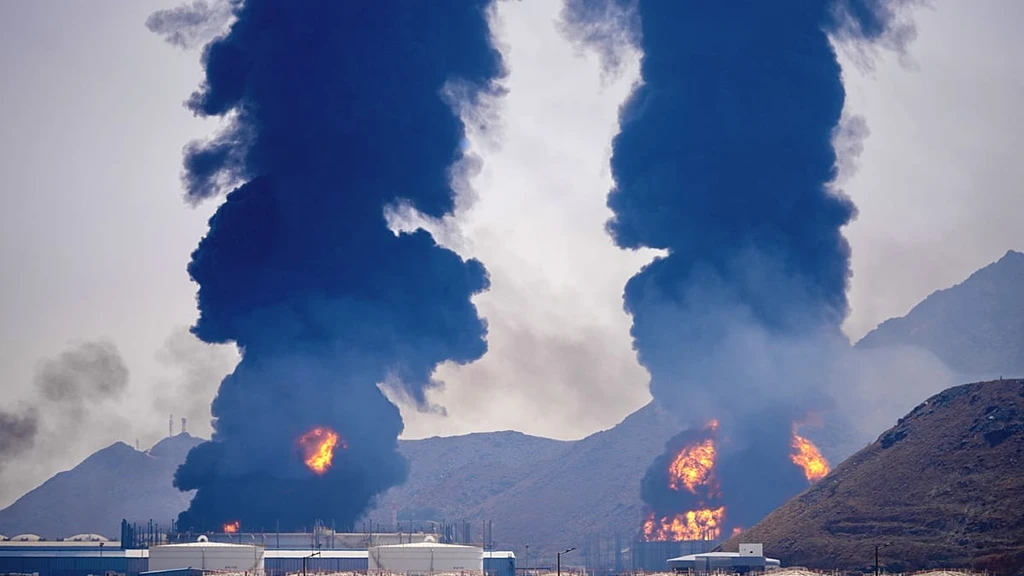
Missile and drone strikes across the Gulf have damaged critical liquefied natural gas infrastructure, threatening global supply for months. The attacks, linked to escalating regional tensions involving Iran, targeted major energy facilities in Qatar and the UAE.
Fires broke out at multiple sites in Ras Laffan Industrial City, Qatar’s primary LNG export hub and the largest in the world. Authorities confirmed significant damage but no casualties. The facility supplies about 20% of global LNG exports.
Vandana Hari, founder of Vanda Insights, said the physical damage marks a turning point: "This changes the picture dramatically." Until now, shutdowns were precautionary; now, repairs may take months, especially if hostilities continue.
Europe’s winter stockpiling efforts could intensify competition for limited supply, pushing prices higher. Price-sensitive Asian markets may bear the brunt of shortages. Shipping through the Strait of Hormuz also faces increased risk.
Jean-Christian Heintz, global LNG consultant, noted there is no spare production capacity in the LNG sector. Even minor attacks create operational paralysis, as companies avoid resuming operations during active conflict.
Industry sources report QatarEnergy has offered five April LNG delivery slots at Belgium’s Zeebrugge terminal-signaling expectations of prolonged outages.