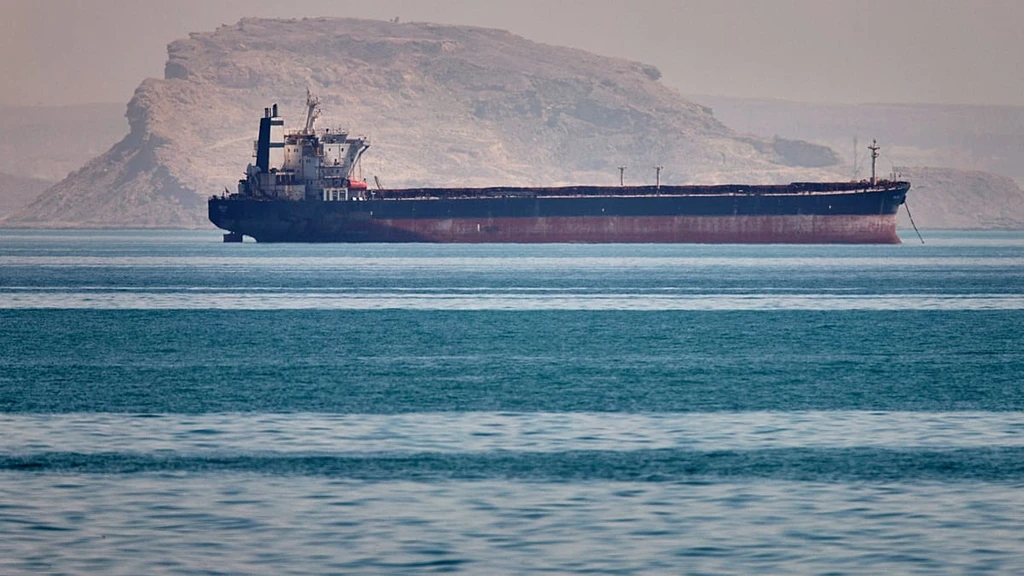
The war in Iran has rewritten the inflation hedge playbook. Since February 27th, Brent crude has surged 37%, while gold has fallen 10%. The two assets traditionally paired for protection are moving in opposite directions.
Oil's rally is straightforward: Goldman Sachs reports around 14.5 million barrels a day of Persian Gulf production is offline, pushing global inventories into a record drawdown. Brent climbed from $70 to around $100 a barrel, peaking at $126.
Gold's behavior is more complex. The metal surged 65% in 2025 as central banks bought heavily. Yet it has lost roughly 10% of its value as the conflict erupted.
Why Gold Stopped Working
Gold pays no coupon or dividend. Its value is driven by the opportunity cost of holding it-set by US real interest rates. When yields rise, a zero-yielding asset becomes unattractive.
The war destroyed gold's tailwind. The CME FedWatch tool now shows zero rate cuts for the entire year as the dominant scenario. Gold has fallen from $5,275 per ounce on February 27th to $4,735.
Morgan Stanley's Amy Gower explains: "With the conflict triggering an energy supply shock that has reduced hopes for lower US interest rates, it is not surprising that gold has struggled to work as a safe haven this time."
Gold's Real Haven Function
Gold does not hedge inflation. It hedges against the failure of the institution controlling inflation. When the Fed is trusted, gold suffers. Its moment arrives only when confidence in the central bank breaks.
The Iran war has produced a supply shock, not a credibility shock. That distinction explains why bullion is down 10%.
Goldman Remains Bullish on Gold
Goldman Sachs forecasts gold reaching $5,400 per ounce by end of 2026, anchored by central bank buying. But near-term risks point to weaker prices if the Strait of Hormuz disruption persists.
What This Means for Investors
An oil shock that cuts supply puts direct upward pressure on inflation. Crude is the only hedge that benefits from the source of inflation itself. Gold often falls early in a rising price cycle as central banks keep rates high.
When the Strait of Hormuz reopens, oil prices will fall, and the Fed will regain room to cut. Gold's pattern is likely to reverse. Until then, the war that was supposed to make gold shine has done the opposite.