European gas prices plunged 20% and Brent crude oil dropped significantly following a two-week ceasefire announcement between the United States, Israel, and Iran. The deal includes Tehran's agreement to temporarily reopen the Strait of Hormuz, a critical energy corridor handling approximately 20% of global oil and LNG.
While some experts anticipate a sharp drop in energy prices, others warn that a fragile ceasefire could threaten stability. Energy companies typically hedge against price swings, meaning consumers might not see savings for 6 to 9 months. Contracted prices for households will only change upon renewal.
Analysts offer mixed views on natural gas markets. Yahdian Falah, a manager at Trianel, suggested the ceasefire could be a "turning point" for global gas market rebalancing, expecting an immediate drop in risk premiums. However, sustained declines depend on clear evidence of resumed shipping. Gengyum Xie, an energy analyst at Kpler, is monitoring stranded LNG tankers for market entry indicators.
Concerns remain over damage to LNG facilities in Qatar and the UAE from recent Iranian airstrikes, potentially delaying production increases. QatarEnergy's export capacity is significantly impacted, and repairs to its Ras Laffan LNG facilities are contingent on transit normalization.
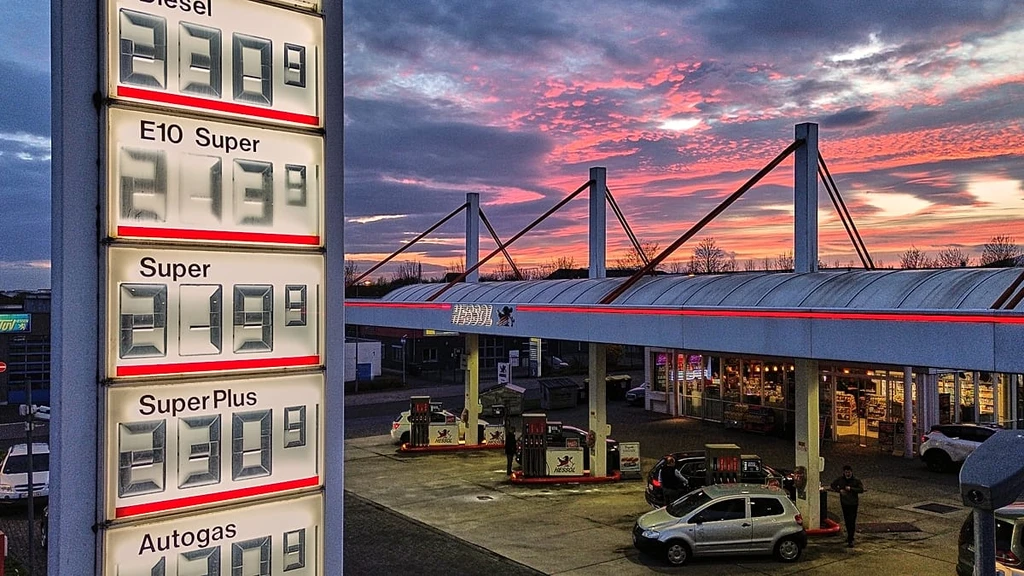
In oil markets, Olivier Gantois, president of the French Union of Petroleum Industries, predicted fuel prices could fall by "5 to 10 cents" per liter very quickly, reflecting crude oil stabilization around $93-$95 per barrel. This decrease is expected to reach service stations within one to two days.
While the ceasefire may bring rapid global energy price drops, diesel prices could fall within weeks, while electricity bills may take months to reflect the change. A return to global fossil fuel trade is expected to eventually impact Europe's stock markets and consumer prices.