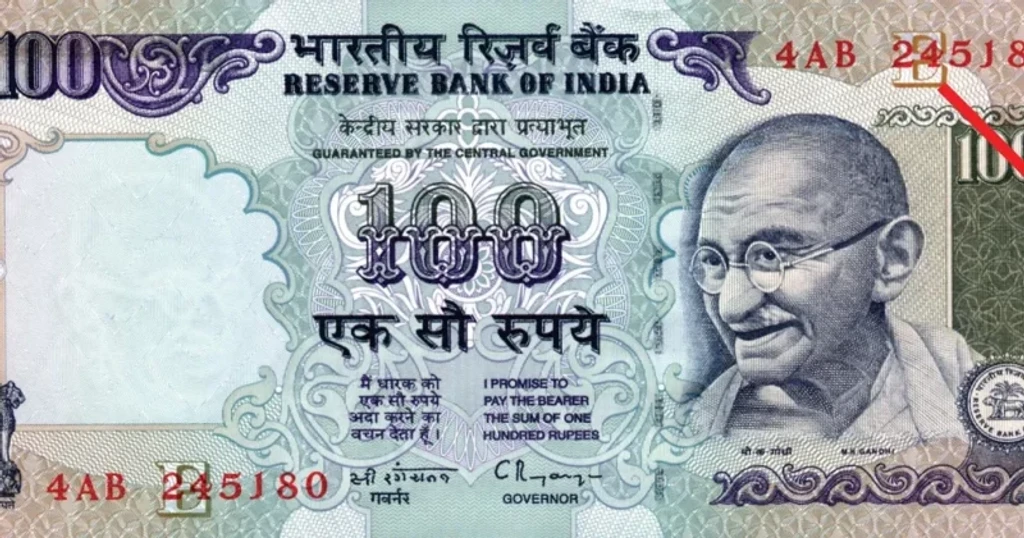
India is making a bold move to attract foreign capital. On June 5, the government announced it would exempt foreign institutional investors and the Bank for International Settlements from income tax on interest and capital gains from Indian government securities. The policy is retroactive to April 1, 2026.
Before this, foreign investors faced a 12.5% long-term capital gains tax and a 20% withholding tax. Both are now eliminated. The government also removed ownership caps on certain bonds, and the Reserve Bank of India eased access to both bonds and equities.
The driver? A sinking rupee. The Indian rupee has weakened more than 5% year-to-date, pressured by high energy prices and foreign equity outflows. India imports most of its energy, so rising oil costs drain dollar reserves. By making bonds more attractive, New Delhi hopes to attract foreign capital, create demand for rupees, and stabilize the currency.
For investors, the tax exemption means a higher after-tax return on Indian sovereign bonds. The retroactive start date removes risk for early movers. The removal of ownership caps is also critical for large institutions needing to build sizable positions.
The government is pulling multiple levers at once, signaling rupee stabilization is a top priority. Still, risk remains: if global energy prices stay high and equity outflows persist, the rupee could weaken regardless. Investors should monitor monthly FII debt inflows and rupee positioning to gauge the policy's impact.