Analysts advise investors to remain invested in the stock market despite volatility stemming from the Middle East conflict. Historically, military conflicts have a brief impact on markets, with indices like the S&P 500 typically bottoming within two weeks and recovering within a month.
While AI is expected to continue driving productivity and economic growth, the long-term case for staying invested and focusing on fundamentals remains strong. However, some caution that complacency is unwarranted, recommending risk management measures such as increasing exposure to gold.
Opportunities may arise to buy discounted stocks following market downturns. Investors are encouraged to focus on proven companies and long-term plans rather than attempting to time market swings. Diversification across assets like gold for buffers and bonds for stability is key. Currency considerations, including balancing exposure to the US and Singapore dollars, are also noted.
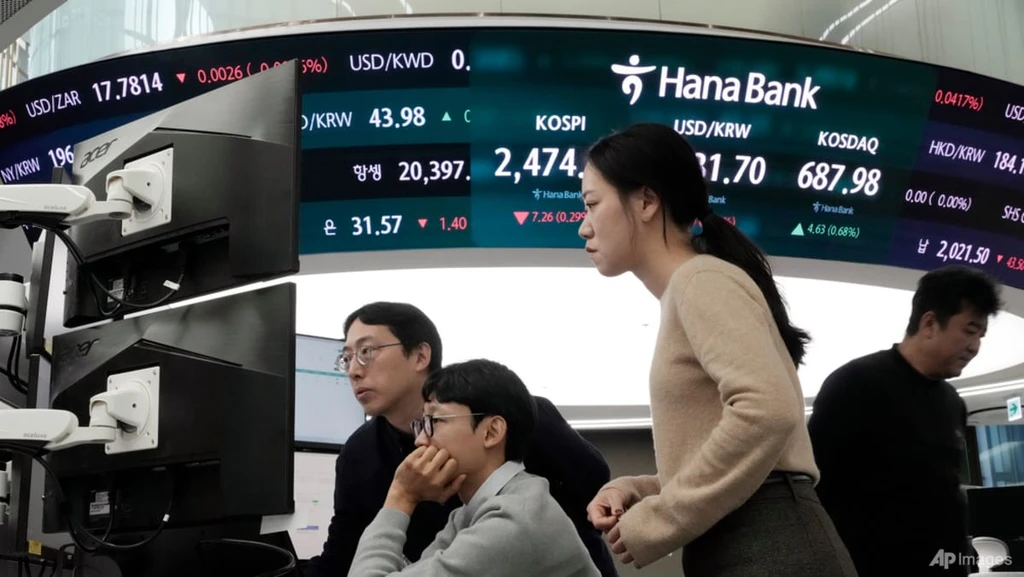
Asian markets, being net oil importers, have been hit harder, with higher oil prices impacting growth and inflation. Analysts have adjusted their outlooks for Asian equities, favoring Hong Kong, China, and Singapore.